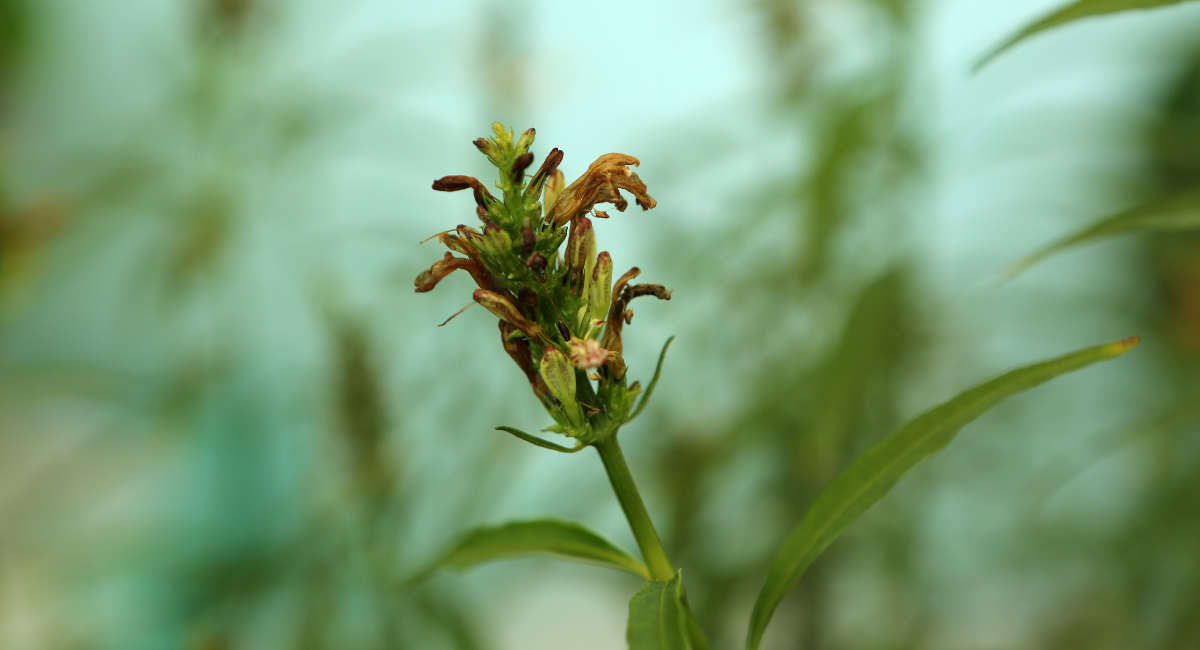
Antidepressant, Anxiolytic, Anti-inflammatory, Antibacterial, Antiviral, Antioxidant
Polyphenols (flavonoids, phenolic acids, tannins), Terpenoids (hyperforin, hypericin), Essential oils
This Site is for Educational Use Only: The information on this page is for educational and informational purposes only and is not intended as medical advice, diagnosis, or treatment. I am not a licensed medical professional. Always consult a qualified healthcare provider before using any medicinal plants, especially if you are pregnant, nursing, taking medications, or have a medical condition.
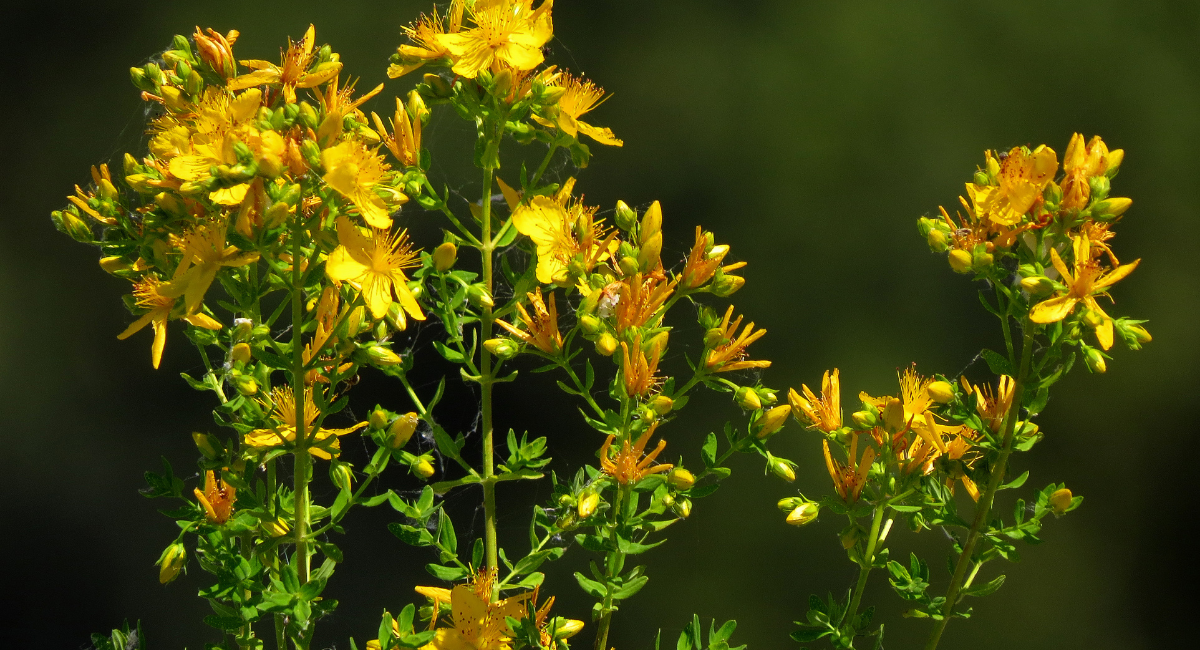
St. John's Wort has one of the more interesting historical narratives in this database. It was used to keep evil spirits away, which before the church recognized depression as a legitimate condition was essentially the way people described keeping depression away. Same thing, different century, different vocabulary.
It's an antidepressant, antiviral, nerve tonic, and wound healer, and has been used historically for everything from malaria and burns to bug bites and wounds. For mild depression and seasonal affective disorder it has genuine research support and is actually prescribed in some European countries as a first line option. The mood lifting effect is subtle rather than dramatic, which for mild to moderate depression is often exactly what's needed.
For nerve related pain specifically it's worth knowing about: neuralgia, neuropathy, exposed nerve sensitivities, toothache, shingles, and sciatica are all areas where it can help by dulling pain and speeding tissue repair. It also helps with gastritis and local wound healing topically.
The historical wound treatment has come full circle into modern use, which is always satisfying to see.
Safety note: This is the most important safety section in this entire database so please read it. St. John's Wort has more contraindications than almost anything else here and should be treated with real caution. Do not combine it with antidepressants. Do not take it with most other medications without checking first. It interacts with an unusually long list of drugs including birth control, blood thinners, and HIV medications among many others. It can also cause sensitivity to sunlight. If you are on any medication at all, please talk to your doctor before taking this one. That is not a throwaway disclaimer, it genuinely means any medication.
Hypericum perforatum: Traditional uses, clinical trials, and drug interactions https://pmc.ncbi.nlm.nih.gov/articles/PMC9526892/
St. John's wort https://www.mayoclinic.org/drugs-supplements-st-johns-wort/art-20362212
Medical Attributes of St. John’s Wort (Hypericum perforatum) https://www.ncbi.nlm.nih.gov/books/NBK92750/
St John’s Wort https://my.clevelandclinic.org/health/drugs/9304-st--johns-wort
St. John's Wort https://www.urmc.rochester.edu/encyclopedia/content?contenttypeid=19&contentid=StJohnsWort
Sacred Herbs by Opal Streisand
Medicinal Herbs by JJ Pursell
Herbal Remedies by Andrew Chevallier
Disclaimer: The content on this website is provided for informational and educational purposes only and is not a substitute for professional medical advice, diagnosis, or treatment. No provider-patient relationship is created by use of this site. The author makes no representations regarding the accuracy or completeness of the information and assumes no liability for any adverse effects resulting from the use of plants or remedies described herein.
Who wrote it? What are their credentials? Who published it and why? A wellness blog and a peer-reviewed journal are not the same thing, even when they say the same words. Always click through to the original source.

Science updates over time. A 2003 study on a supplement may have been contradicted twelve times since. Always look for the publication date and whether newer research exists. "Studies show" means nothing without a timestamp.

Who funded the study? A supplement company funding research on their own supplement is a conflict of interest. It's not automatically a disqualification, but worth noting. Look for the "funding" or "disclosures" section of any study you read.
Not all research is equal. A randomized controlled trial carries more weight than a case study or an animal study. "A study found..." could mean ten people in a lab or a decade-long population study. Big difference.
If only one source is saying something, be skeptical. If ten independent sources across different institutions, different countries, different decades are saying the same thing, you're getting warmer. Consensus is earned, and studies should be peer reviewed.

The National Institutes of Health database (PubMed) is free and searchable. Examine.com aggregates supplement research without selling anything. Both are significantly more reliable than any wellness influencer, including me.