Antihypertensive, Cholesterol-lowering, Anti-inflammatory, Antimicrobial, Mild diuretic
Fatty acids, Phenolics (oleocanthal)

This Site is for Educational Use Only: The information on this page is for educational and informational purposes only and is not intended as medical advice, diagnosis, or treatment. I am not a licensed medical professional. Always consult a qualified healthcare provider before using any medicinal plants, especially if you are pregnant, nursing, taking medications, or have a medical condition.
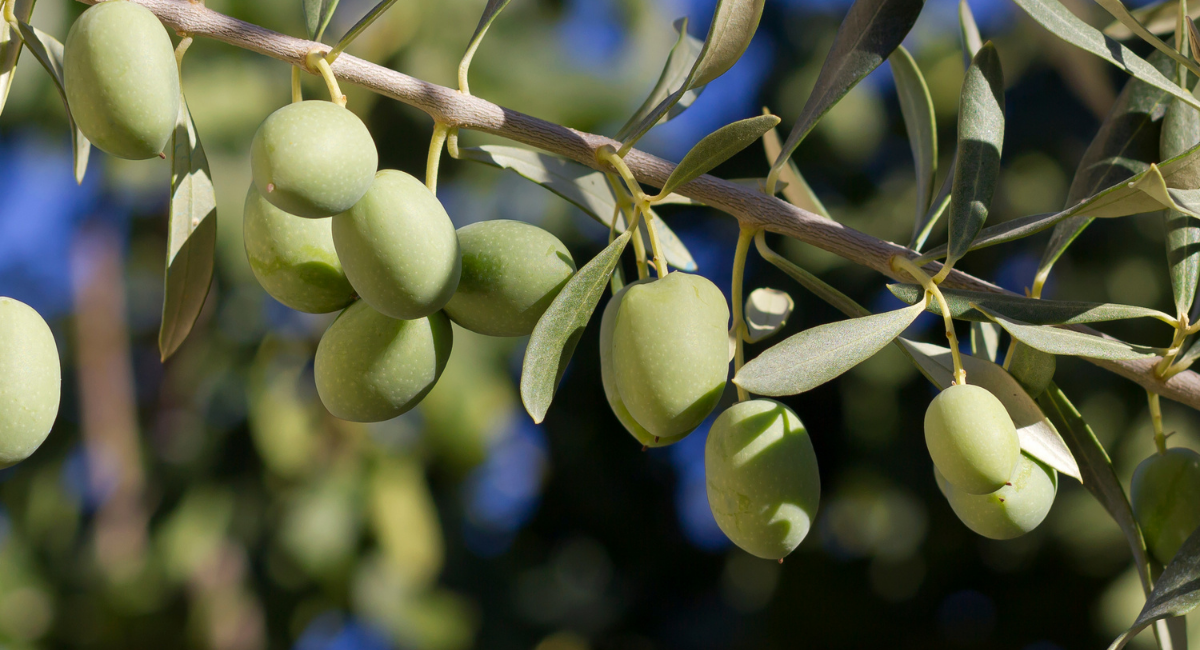
Olive (Olea europaea) and specifically the oil, which is one of the few oils I keep in my kitchen without question. It earns its place every single time.
The Mediterranean diet keeps coming up throughout this database and olive oil is a big reason why. Populations built around Mediterranean eating patterns are among the longest living in the world, and olive oil is a cornerstone of that. That's can't be a coincidence!
The anti-inflammatory benefits come from MUFAs, monounsaturated fatty acids, which reduce inflammatory cytokines in the body. The key antioxidant found in olives is oleuropein, which directly affects gut health in a pretty specific and impressive way: it increases Bacteroidetes and decreases Firmicutes in the gut microbiome. In plain English that means less inflammation and less intestinal permeability, meaning a healthier and stronger gut barrier. We talk about gut health a lot in this database and olive oil is one of the more accessible and well researched ways to actually support it daily.
It's also just delicious. The best medicine is the kind you actually use consistently. I eat a lot of olives tbh. It's a healthy fat!
Safety note: Olive oil is one of the safest things in this entire database. Quality matters though, extra virgin and cold pressed retains the most beneficial compounds. A lot of what's sold as olive oil in the US is diluted or mislabeled, so sourcing from a reputable producer is worth the extra attention.
Traditional Uses, Phytochemistry, and Pharmacology of Olea europaea (Olive)
https://pmc.ncbi.nlm.nih.gov/articles/PMC4352757/
Pharmacological Activities of Olea europaea Leaves
https://onlinelibrary.wiley.com/doi/10.1111/jfpp.12341
Oleuropein in Olive and its Pharmacological Effects
https://pmc.ncbi.nlm.nih.gov/articles/PMC3002804/
Immunity Boosting Foods by Donna Beydoun Mazzola, PhD
Disclaimer: The content on this website is provided for informational and educational purposes only and is not a substitute for professional medical advice, diagnosis, or treatment. No provider-patient relationship is created by use of this site. The author makes no representations regarding the accuracy or completeness of the information and assumes no liability for any adverse effects resulting from the use of plants or remedies described herein.
Who wrote it? What are their credentials? Who published it and why? A wellness blog and a peer-reviewed journal are not the same thing, even when they say the same words. Always click through to the original source.

Science updates over time. A 2003 study on a supplement may have been contradicted twelve times since. Always look for the publication date and whether newer research exists. "Studies show" means nothing without a timestamp.

Who funded the study? A supplement company funding research on their own supplement is a conflict of interest. It's not automatically a disqualification, but worth noting. Look for the "funding" or "disclosures" section of any study you read.

Not all research is equal. A randomized controlled trial carries more weight than a case study or an animal study. "A study found..." could mean ten people in a lab or a decade-long population study. Big difference.
If only one source is saying something, be skeptical. If ten independent sources across different institutions, different countries, different decades are saying the same thing, you're getting warmer. Consensus is earned, and studies should be peer reviewed.

The National Institutes of Health database (PubMed) is free and searchable. Examine.com aggregates supplement research without selling anything. Both are significantly more reliable than any wellness influencer, including me.