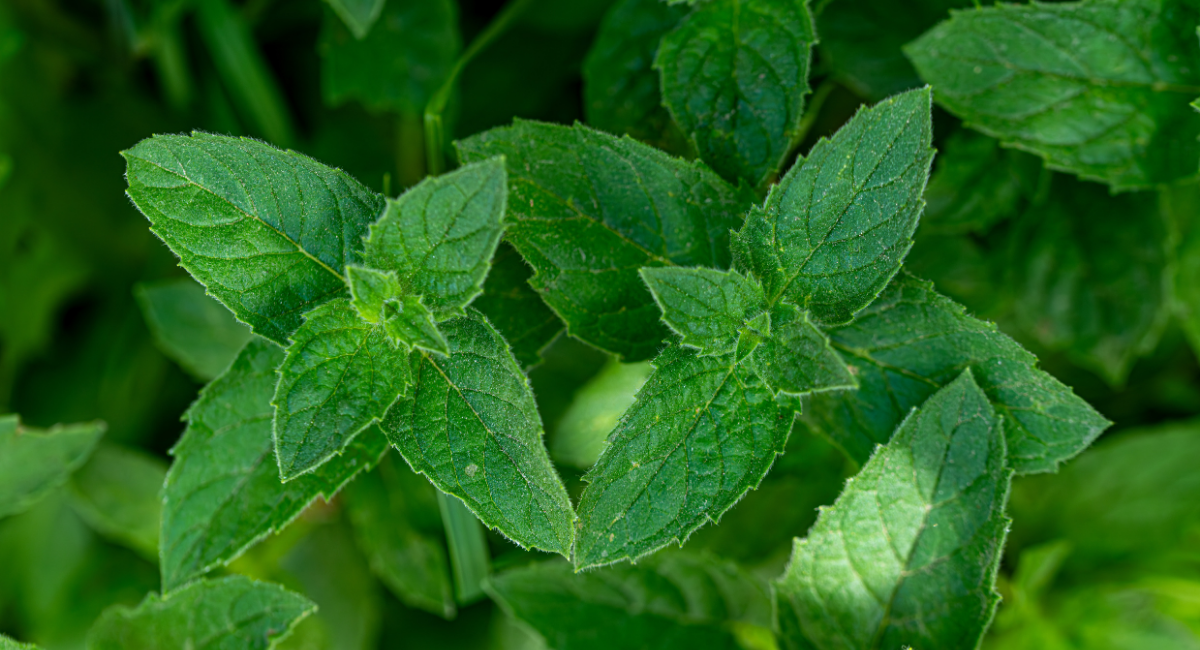
Demulcent, Bronchodilator, Anti-inflammatory, Antibacterial, Analgesic, Digestive relaxant
Terpenoids (menthol, menthone, limonene, cineol), Flavonoids

This Site is for Educational Use Only: The information on this page is for educational and informational purposes only and is not intended as medical advice, diagnosis, or treatment. I am not a licensed medical professional. Always consult a qualified healthcare provider before using any medicinal plants, especially if you are pregnant, nursing, taking medications, or have a medical condition.
I drink peppermint tea almost every single day. When I worked at the Barnes & Noble Starbucks in high school there was an older woman who came in every weekday afternoon without fail, ordered a large, and just sat there people watching. I think I'm becoming her.
I love mint okay? LOVE it. It's a Christmas flavor, a candy cane, a fresh start, a whole vibe. As a Sagittarius I feel it is basically part of my personality at this point.
It's also genuinely one of the best plants in this entire database for digestion, which is probably why I reach for it as often as I do. Stomach pain, IBS, intestinal issues, general digestive unhappiness: peppermint is there for all of it. It's antispasmodic, which means it helps relax the muscles of the digestive tract, and it's a mild bitter, which stimulates digestive activity. It's also diaphoretic and antiseptic, and works really well for colds, flu, headaches, and migraines, especially drunk as a hot tea where the steam and the menthol do double duty on congestion.
It is such a good plant. I cannot stress this enough. It can totally take over your garden though if you're not careful. I recommend its own raised bed or maybe its own pot.
Safety note: Not for children under five. Pregnant women should avoid large amounts. Don't ingest the essential oil internally. Otherwise peppermint is about as safe and accessible as herbal medicine gets, which is part of why it has been popular forever and will continue to be.
The Wonderful Activities of the Genus Mentha: Not Only Antioxidant Properties https://pmc.ncbi.nlm.nih.gov/articles/PMC7923432/
Mentha: Nutritional and Health Attributes to Treat Various Ailments Including Cardiovascular Diseases https://pmc.ncbi.nlm.nih.gov/articles/PMC9572119/
Mentha: The Remarkable Herbal with Endless Healing and Culinary Benefits https://www.ijsrtjournal.com/article/Mentha-The-Remarkable-Herbal-with-Endless-Healing-and-Culinary-Benefits
Herbal Remedies by Andrew Chevallier
Sacrded Herbs by Opal Streisand
Disclaimer: The content on this website is provided for informational and educational purposes only and is not a substitute for professional medical advice, diagnosis, or treatment. No provider-patient relationship is created by use of this site. The author makes no representations regarding the accuracy or completeness of the information and assumes no liability for any adverse effects resulting from the use of plants or remedies described herein.

Who wrote it? What are their credentials? Who published it and why? A wellness blog and a peer-reviewed journal are not the same thing, even when they say the same words. Always click through to the original source.

Science updates over time. A 2003 study on a supplement may have been contradicted twelve times since. Always look for the publication date and whether newer research exists. "Studies show" means nothing without a timestamp.

Who funded the study? A supplement company funding research on their own supplement is a conflict of interest. It's not automatically a disqualification, but worth noting. Look for the "funding" or "disclosures" section of any study you read.

Not all research is equal. A randomized controlled trial carries more weight than a case study or an animal study. "A study found..." could mean ten people in a lab or a decade-long population study. Big difference.
If only one source is saying something, be skeptical. If ten independent sources across different institutions, different countries, different decades are saying the same thing, you're getting warmer. Consensus is earned, and studies should be peer reviewed.

The National Institutes of Health database (PubMed) is free and searchable. Examine.com aggregates supplement research without selling anything. Both are significantly more reliable than any wellness influencer, including me.