Anxiolytic, Sedative, Antidepressant, Cholesterol-lowering, Anti-inflammatory, CNS depressant, Analgesic, Antimicrobial, Antifungal, Relaxant, Antispasmodic
Terpenoids, Essential oils, Tannins
This Site is for Educational Use Only: The information on this page is for educational and informational purposes only and is not intended as medical advice, diagnosis, or treatment. I am not a licensed medical professional. Always consult a qualified healthcare provider before using any medicinal plants, especially if you are pregnant, nursing, taking medications, or have a medical condition.
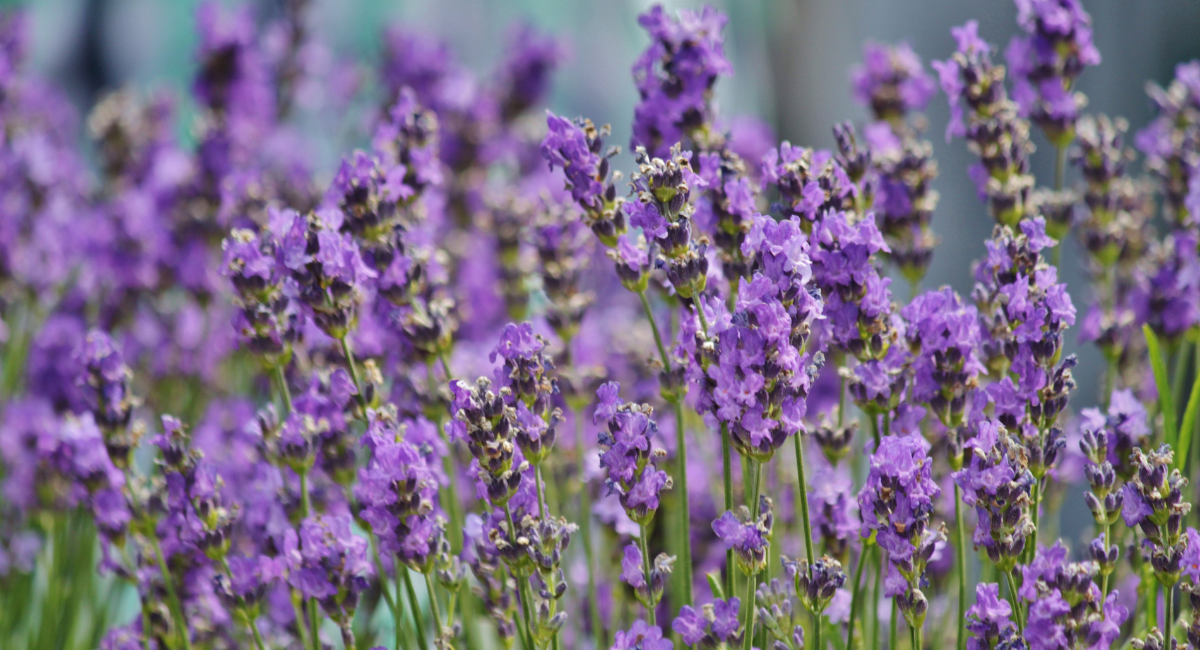
Oh you've heard of this one. Lavendar. It's in your candles, your lotion, your soap, your sleep spray, your everything. The hype is justified, naturally. Lavender deserves every bit of its wellness era moment.
It also looks absolutely beautiful in a garden and adds real structure to the ground it grows in. Medicinal AND architectural. Double slay as stated.
The reason it ended up in every calming product ever made is because it actually works. Lavender is an analgesic, antiseptic, sedative, antidepressant, antispasmodic, and relieves gas. That last one doesn't make it onto the candle label but it's doing that work too. It genuinely does Mother Nature's work after a long day, which is exactly why throwing some in a bath makes your whole nervous system exhale.
For anxiety and tension it can be combined with rosemary for a pretty effective pairing. As an essential oil it supports sleep, mild local pain relief, and muscle relaxation. The French have traditionally used it for respiratory issues including coughs, flu, and asthma. It's also one of the very few essential oils safe to apply directly to skin in larger amounts, which sets it apart from most of the essential oil category. Kids can even have it applied directly to their skin for calming before sleep, which is a genuinely sweet application.
The flowers are edible and have become a trendy addition to coffee syrups, teas, and cakes, which I fully support because they make everything look prettier and taste more interesting.
Oh and fun fact: ancient Egyptians used lavender in the mummification process. So it has been doing the lord's work for literally thousands of years. Respect.
Safety note: Do not ingest the essential oil internally, that's a hard no. Contact dermatitis is rare but possible so patch test if you have sensitive skin. Eating the flowers is fine, ingesting the concentrated oil is not. Those are two very different things.
Lavender https://www.nccih.nih.gov/health/lavender
Lavender's therapeutic uses https://www.ebsco.com/research-starters/complementary-and-alternative-medicine/lavenders-therapeutic-uses
Lavender and the Nervous System https://pmc.ncbi.nlm.nih.gov/articles/PMC3612440/
Lavender: History, Taxonomy, and Production https://newcropsorganics.ces.ncsu.edu/herb/lavender-history-taxonomy-and-production/
Medicinal Herbs by JJ Pursell
Herbal Remedies by Andrew Chevallier
Sacred Herbs by Opal Stresiand
Disclaimer: The content on this website is provided for informational and educational purposes only and is not a substitute for professional medical advice, diagnosis, or treatment. No provider-patient relationship is created by use of this site. The author makes no representations regarding the accuracy or completeness of the information and assumes no liability for any adverse effects resulting from the use of plants or remedies described herein.

Who wrote it? What are their credentials? Who published it and why? A wellness blog and a peer-reviewed journal are not the same thing, even when they say the same words. Always click through to the original source.

Science updates over time. A 2003 study on a supplement may have been contradicted twelve times since. Always look for the publication date and whether newer research exists. "Studies show" means nothing without a timestamp.

Who funded the study? A supplement company funding research on their own supplement is a conflict of interest. It's not automatically a disqualification, but worth noting. Look for the "funding" or "disclosures" section of any study you read.

Not all research is equal. A randomized controlled trial carries more weight than a case study or an animal study. "A study found..." could mean ten people in a lab or a decade-long population study. Big difference.
If only one source is saying something, be skeptical. If ten independent sources across different institutions, different countries, different decades are saying the same thing, you're getting warmer. Consensus is earned, and studies should be peer reviewed.
The National Institutes of Health database (PubMed) is free and searchable. Examine.com aggregates supplement research without selling anything. Both are significantly more reliable than any wellness influencer, including me.