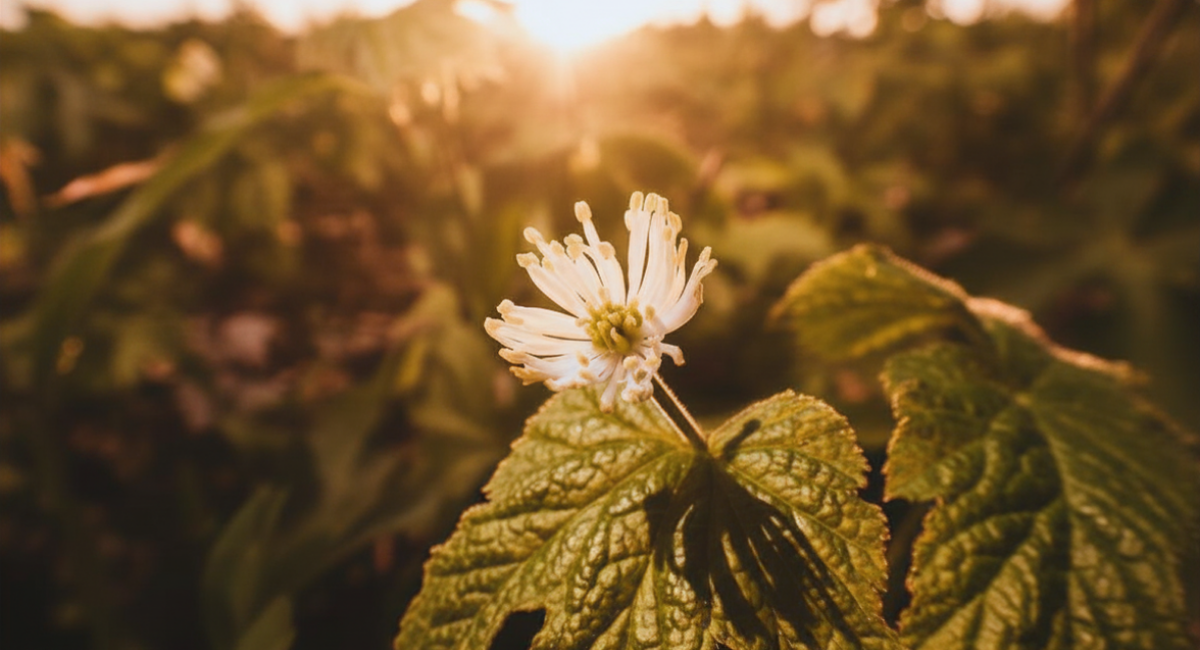
Antimicrobial, Anti-inflammatory, Mucous membrane support
Hydrastine, Berberine, Canadine

This Site is for Educational Use Only: The information on this page is for educational and informational purposes only and is not intended as medical advice, diagnosis, or treatment. I am not a licensed medical professional. Always consult a qualified healthcare provider before using any medicinal plants, especially if you are pregnant, nursing, taking medications, or have a medical condition.
Goldenseal is one of those plants where the first thing worth saying is that it's getting harder to find and more expensive because of it. It has been overharvested in the wild and is genuinely challenging to cultivate, which means the supply isn't keeping up with the demand. So when you do find it, expect to pay for it. And maybe use it intentionally rather than casually for that reason.
The healing properties it offers are also pretty hard to replicate with other herbs, which makes that overharvesting situation even more frustrating. It contains berberine, which fights infection, and simultaneously heals and improves the health of mucous membranes. Those two things working together in one plant is a combination that doesn't show up often, and it makes goldenseal particularly effective for digestive infections specifically. Fighting the infection and soothing the irritated tissue at the same time is a genuine double whammy.
It works both internally and externally, protects the liver, cleanses the blood, and boosts the body's ability to fight off lingering infections. The kind of infection that just won't fully clear? Goldenseal is worth looking into for exactly that situation.
Safety note: Do not take during pregnancy or breastfeeding. This is also one where sticking to dosage recommendations really matters. Too much goldenseal can actually irritate the very mucous membranes it's supposed to heal, which is the opposite of the goal. More is genuinely not more here.
Goldenseal (Hydrastis canadensis L.) and its active constituents: A critical review of their efficacy and toxicological issues https://pubmed.ncbi.nlm.nih.gov/32683037/
Goldenseal https://www.nccih.nih.gov/health/goldenseal
Golden Seal: A Species of Greatest Conservation Need in the MA State Wildlife Action Plan https://www.mass.gov/info-details/golden-seal
Goldenseal (Hydrastis canadensis L.) extracts synergistically enhance the antibacterial activity of berberine via efflux pump inhibition https://pmc.ncbi.nlm.nih.gov/articles/PMC3100400/
Medicinal Herbs by JJ Pursell
Herbal Remedies by Andrew Chevallier
Disclaimer: The content on this website is provided for informational and educational purposes only and is not a substitute for professional medical advice, diagnosis, or treatment. No provider-patient relationship is created by use of this site. The author makes no representations regarding the accuracy or completeness of the information and assumes no liability for any adverse effects resulting from the use of plants or remedies described herein.

Who wrote it? What are their credentials? Who published it and why? A wellness blog and a peer-reviewed journal are not the same thing, even when they say the same words. Always click through to the original source.

Science updates over time. A 2003 study on a supplement may have been contradicted twelve times since. Always look for the publication date and whether newer research exists. "Studies show" means nothing without a timestamp.

Who funded the study? A supplement company funding research on their own supplement is a conflict of interest. It's not automatically a disqualification, but worth noting. Look for the "funding" or "disclosures" section of any study you read.

Not all research is equal. A randomized controlled trial carries more weight than a case study or an animal study. "A study found..." could mean ten people in a lab or a decade-long population study. Big difference.

If only one source is saying something, be skeptical. If ten independent sources across different institutions, different countries, different decades are saying the same thing, you're getting warmer. Consensus is earned, and studies should be peer reviewed.

The National Institutes of Health database (PubMed) is free and searchable. Examine.com aggregates supplement research without selling anything. Both are significantly more reliable than any wellness influencer, including me.