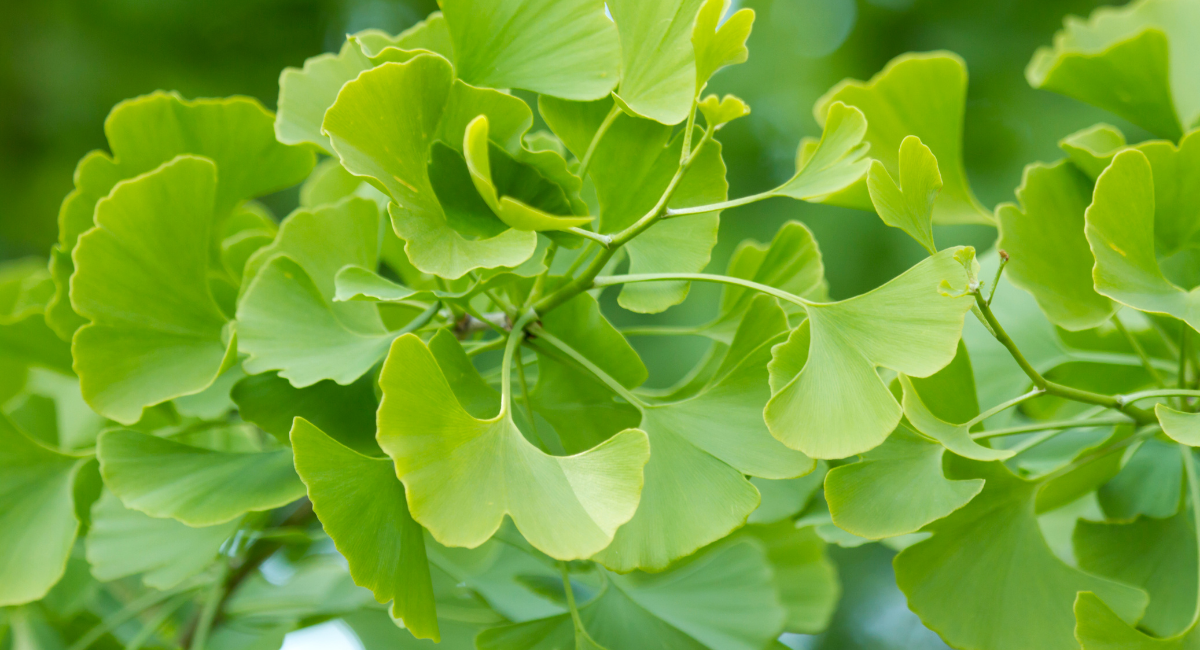
Antioxidant, Anti-inflammatory, Increases cerebral blood flow, Inhibits platelet aggregation, Modulates neurotransmission
Flavonoids, Anthocyanin, Ginkgolic acid, Terpenoids, Minerals (calcium, zinc, phosphorus)

This Site is for Educational Use Only: The information on this page is for educational and informational purposes only and is not intended as medical advice, diagnosis, or treatment. I am not a licensed medical professional. Always consult a qualified healthcare provider before using any medicinal plants, especially if you are pregnant, nursing, taking medications, or have a medical condition.
Ginkgo comes from the maidenhair tree, which holds the title of oldest tree species in the world. It has survived ice ages, mass extinctions, and whatever we've been doing to this planet lately, which feels relevant. It's also naturally resistant to insects, fungi, and cold weather, which at this point just feels like showing off.
Next pet name candidate: Ginkgo. Continuing the theme. Oak, Elm, and Ginkgo. I think we're building something here.
In traditional Chinese medicine ginkgo was used for memory support and Alzheimer's treatment, and modern research has taken that traditional use seriously enough to actually study it. The mechanism makes sense: ginkgo improves blood flow through the arteries to the brain, which supports memory, recall, and can slow deterioration in mental functioning. That same increased blood flow also helps with dizziness and tinnitus, which is why it shows up as a recommendation for those over fifty to take daily.
Beyond the brain, ginkgo can help with asthma, may improve sexual energy, and has traditional uses for bladder irritation, bedwetting, and intestinal worms. It was also historically used for gonorrhea, which is a sentence I did not expect to write today but here we are.
Safety note: Avoid with anticoagulant medications, the blood flow improving properties mean it has blood thinning effects that can compound with existing medication. If you're over fifty and considering it as a daily supplement, which the research does support, run it by your provider first especially if you're on any cardiovascular medications.
Ginkgo https://www.mayoclinic.org/drugs-supplements-ginkgo/art-20362032
Ginkgo biloba: A Treasure of Functional Phytochemicals with Multimedicinal Applications https://pmc.ncbi.nlm.nih.gov/articles/PMC8901348/
Ginkgo https://www.nccih.nih.gov/health/ginkgo
Sacred Herbs by Opal Streisand
Herbal Remedies by Andrew Chevallier
Disclaimer: The content on this website is provided for informational and educational purposes only and is not a substitute for professional medical advice, diagnosis, or treatment. No provider-patient relationship is created by use of this site. The author makes no representations regarding the accuracy or completeness of the information and assumes no liability for any adverse effects resulting from the use of plants or remedies described herein.

Who wrote it? What are their credentials? Who published it and why? A wellness blog and a peer-reviewed journal are not the same thing, even when they say the same words. Always click through to the original source.

Science updates over time. A 2003 study on a supplement may have been contradicted twelve times since. Always look for the publication date and whether newer research exists. "Studies show" means nothing without a timestamp.

Who funded the study? A supplement company funding research on their own supplement is a conflict of interest. It's not automatically a disqualification, but worth noting. Look for the "funding" or "disclosures" section of any study you read.

Not all research is equal. A randomized controlled trial carries more weight than a case study or an animal study. "A study found..." could mean ten people in a lab or a decade-long population study. Big difference.
If only one source is saying something, be skeptical. If ten independent sources across different institutions, different countries, different decades are saying the same thing, you're getting warmer. Consensus is earned, and studies should be peer reviewed.

The National Institutes of Health database (PubMed) is free and searchable. Examine.com aggregates supplement research without selling anything. Both are significantly more reliable than any wellness influencer, including me.