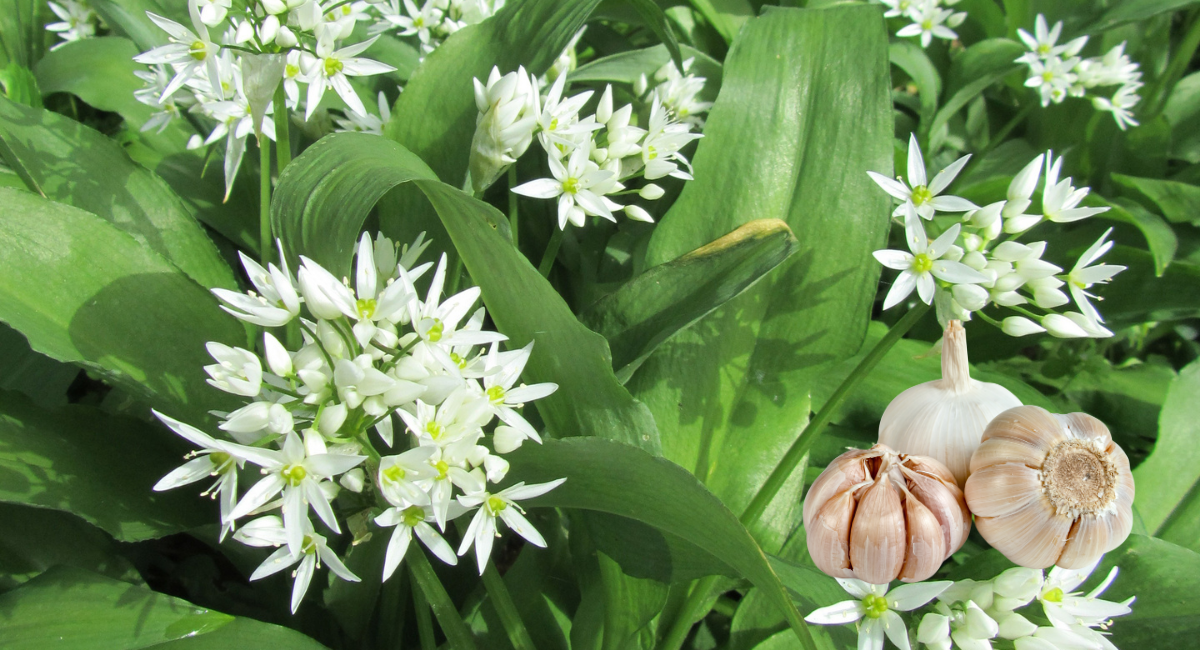
Antihypercholesterolemic, Hypolipidemic, Hypotensive, Anticoagulant, Antioxidant, Antimicrobial, Immune stimulant
Allicin, Alliin, Glucosinolates, Sulfur-containing compounds (100+ active compounds)

This Site is for Educational Use Only: The information on this page is for educational and informational purposes only and is not intended as medical advice, diagnosis, or treatment. I am not a licensed medical professional. Always consult a qualified healthcare provider before using any medicinal plants, especially if you are pregnant, nursing, taking medications, or have a medical condition.
Garlic. I love it. I will eat it on a date. I do not care. Judge me if you must but you will not catch me turning down garlic for the sake of anyone's sensibilities.
Beyond being one of the greatest culinary ingredients on the planet and a cornerstone of the Mediterranean diet (one of my personal favorites, just saying), garlic has one of the longest medicinal track records of anything in this database. Before antibiotics became widely used, garlic was the go-to antibiotic option. In World War I it was literally used to dress battle wounds. A clove of garlic was out here doing the work of a field medic and I think that deserves some respect.
It's antibiotic, antifungal, counters coughs, thins the blood, lowers blood pressure, lowers cholesterol, and supports healthy intestinal flora. If you feel a cold or cough coming on, crush a raw clove and just eat it. Yes raw. Yes immediately. It's not glamorous but it works.
For a more refined preparation, garlic oil is genuinely useful to have around for illness season. Chop garlic into olive oil, boil it, strain it, and store it properly. Use within 12 months. And please store it correctly because improper garlic oil storage is one of the few ways to get botulism at home and absolutely nobody needs that situation.
Safety note: Garlic thins the blood, so if you're on blood thinners or heading into surgery, flag your garlic consumption to your provider. High amounts can cause digestive upset for some people. Otherwise this one is about as safe as food gets, because it is also just food.
Revealing the Therapeutic Uses of Garlic (Allium sativum) and Its Potential for Drug Discovery https://pmc.ncbi.nlm.nih.gov/articles/PMC8739926/
Potential Health Benefit of Garlic Based on Human Intervention Studies: A Brief Overview https://pmc.ncbi.nlm.nih.gov/articles/PMC7402177/
Herbal Remedies by Andrew Chevallier
Disclaimer: The content on this website is provided for informational and educational purposes only and is not a substitute for professional medical advice, diagnosis, or treatment. No provider-patient relationship is created by use of this site. The author makes no representations regarding the accuracy or completeness of the information and assumes no liability for any adverse effects resulting from the use of plants or remedies described herein.
Who wrote it? What are their credentials? Who published it and why? A wellness blog and a peer-reviewed journal are not the same thing, even when they say the same words. Always click through to the original source.

Science updates over time. A 2003 study on a supplement may have been contradicted twelve times since. Always look for the publication date and whether newer research exists. "Studies show" means nothing without a timestamp.

Who funded the study? A supplement company funding research on their own supplement is a conflict of interest. It's not automatically a disqualification, but worth noting. Look for the "funding" or "disclosures" section of any study you read.
Not all research is equal. A randomized controlled trial carries more weight than a case study or an animal study. "A study found..." could mean ten people in a lab or a decade-long population study. Big difference.
If only one source is saying something, be skeptical. If ten independent sources across different institutions, different countries, different decades are saying the same thing, you're getting warmer. Consensus is earned, and studies should be peer reviewed.
The National Institutes of Health database (PubMed) is free and searchable. Examine.com aggregates supplement research without selling anything. Both are significantly more reliable than any wellness influencer, including me.