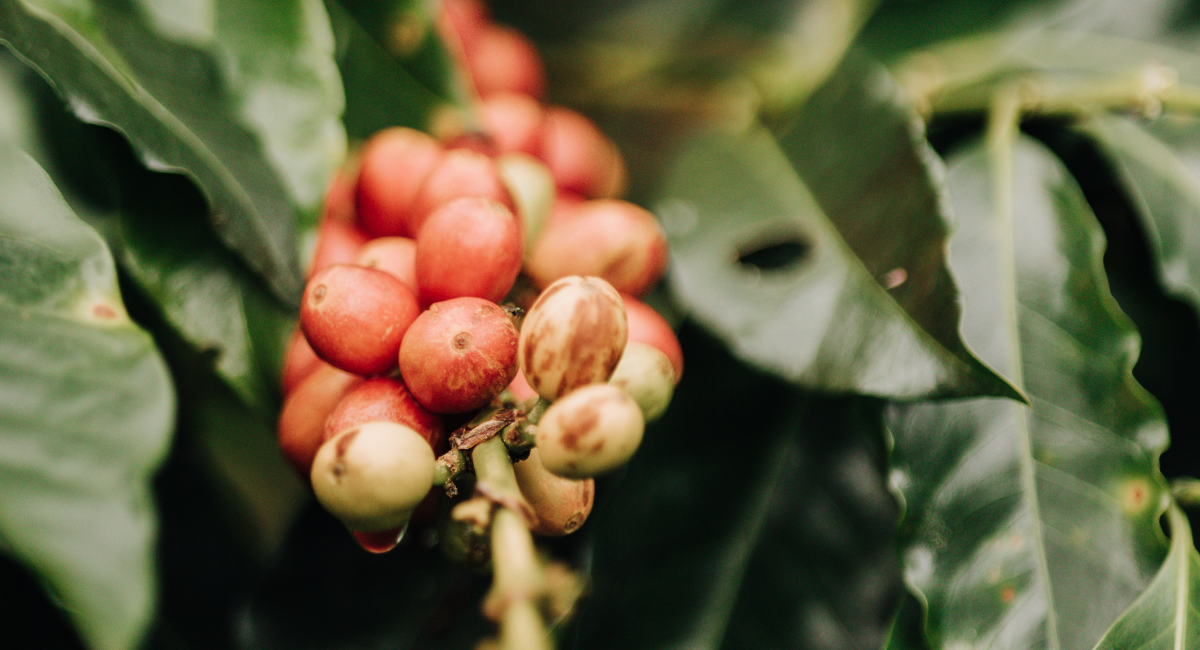
CNS stimulant, Mood elevator, Analgesic adjunct, Antioxidant
Polyphenols (citric acid), Alkaloids (caffeine)

This Site is for Educational Use Only: The information on this page is for educational and informational purposes only and is not intended as medical advice, diagnosis, or treatment. I am not a licensed medical professional. Always consult a qualified healthcare provider before using any medicinal plants, especially if you are pregnant, nursing, taking medications, or have a medical condition.
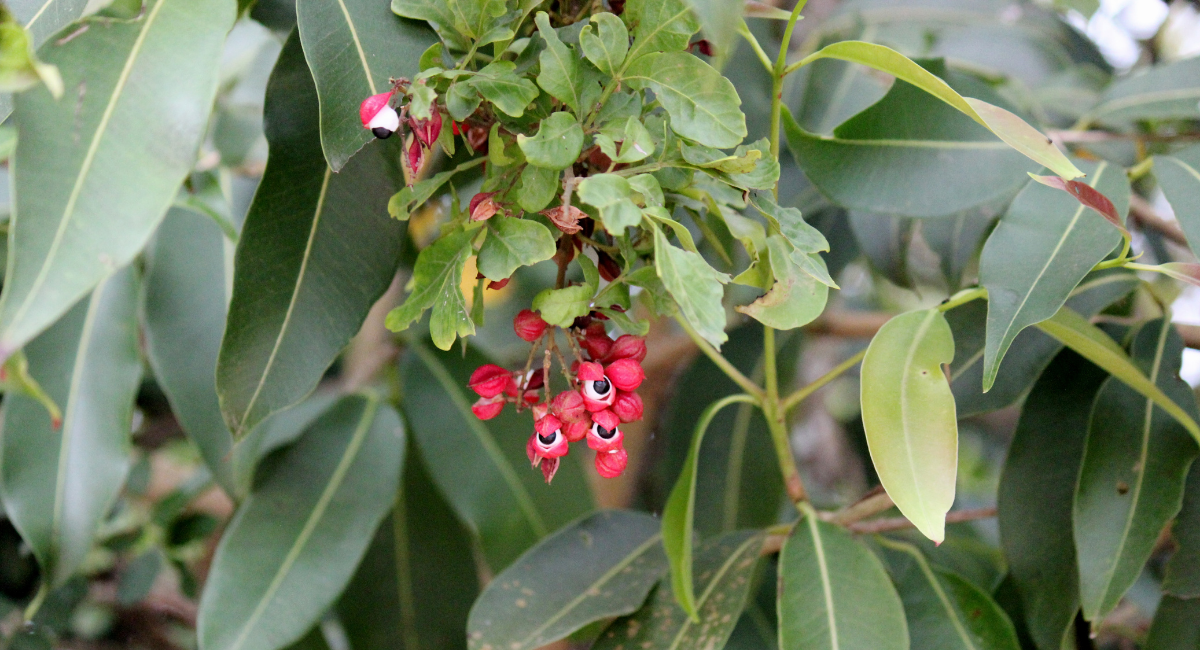
Coffee. Mother nature's greatest gift to humanity.
I dream about my morning coffee the night before. I have been this way for years. I was a barista for about eight years and if I could make a true living off of it I genuinely think I might go back. There is something about that world that gets into you.
The global warming situation with coffee crops is something that legitimately breaks my heart for more reasons than one. The specific atmospheric and environmental conditions that allow coffee to thrive are increasingly under threat, and as someone who considers coffee a non-negotiable part of daily existence this is deeply personal. I also consider people's right to live and farm and exist in reasonable conditions is personal... okay back to the plant.
Coffee is a diuretic and stimulant, which explains the famous large cold brew effect. You know the one. It gets the digestive juices moving in a very prompt and efficient manner. It can also paradoxically help with headaches despite being a common headache trigger at high doses, because caffeine constricts blood vessels and that's actually part of how some headache medications work.
A note on quality: how coffee is roasted and stored matters more than most people realize. Poorly stored beans can develop mold, which you absolutely do not want to be ingesting daily. Whole beans lessen that risk compared to pre-ground. And if you're in the US, worth knowing that American markets have historically received lower quality beans compared to European markets due to weaker regulatory standards. A fun fact that will ruin grocery store coffee for you forever. Sorry.
Safety note: Caffeine is genuinely addictive. Stopping regular intake can cause headaches for around four days, which is your body's very pointed way of telling you it has developed a dependency. Excessive intake can cause heart palpitations, poor sleep, and anxiety. Everything in moderation, except I don't fully practice what I preach here and I'm at peace with that.
Coffea arabica: An Emerging Active Ingredient in Dermato-Cosmetic Applications https://pmc.ncbi.nlm.nih.gov/articles/PMC11858793/
Coffea arabica https://apps.cals.arizona.edu/arboretum/taxon.aspx?id=972
Coffea arabica Seed Extract Stimulate the Cellular Immune Function and Cyclophosphamide-induced Immunosuppression in Mice https://pmc.ncbi.nlm.nih.gov/articles/PMC3813211/
Coffee (coffea Arabica) https://stories.rbge.org.uk/archives/21040
Coffea arabica extract https://www.cancer.gov/publications/dictionaries/cancer-drug/def/coffea-arabica-extract
Herbal Remedies by Andrew Chevallier
Disclaimer: The content on this website is provided for informational and educational purposes only and is not a substitute for professional medical advice, diagnosis, or treatment. No provider-patient relationship is created by use of this site. The author makes no representations regarding the accuracy or completeness of the information and assumes no liability for any adverse effects resulting from the use of plants or remedies described herein.

Who wrote it? What are their credentials? Who published it and why? A wellness blog and a peer-reviewed journal are not the same thing, even when they say the same words. Always click through to the original source.

Science updates over time. A 2003 study on a supplement may have been contradicted twelve times since. Always look for the publication date and whether newer research exists. "Studies show" means nothing without a timestamp.

Who funded the study? A supplement company funding research on their own supplement is a conflict of interest. It's not automatically a disqualification, but worth noting. Look for the "funding" or "disclosures" section of any study you read.

Not all research is equal. A randomized controlled trial carries more weight than a case study or an animal study. "A study found..." could mean ten people in a lab or a decade-long population study. Big difference.
If only one source is saying something, be skeptical. If ten independent sources across different institutions, different countries, different decades are saying the same thing, you're getting warmer. Consensus is earned, and studies should be peer reviewed.

The National Institutes of Health database (PubMed) is free and searchable. Examine.com aggregates supplement research without selling anything. Both are significantly more reliable than any wellness influencer, including me.