Antihypertensive, Anti-inflammatory, Immunostimulant, Antimicrobial
Alkaloids, Glycosides, Terpenoids, Sterols, Saponins
This Site is for Educational Use Only: The information on this page is for educational and informational purposes only and is not intended as medical advice, diagnosis, or treatment. I am not a licensed medical professional. Always consult a qualified healthcare provider before using any medicinal plants, especially if you are pregnant, nursing, taking medications, or have a medical condition.
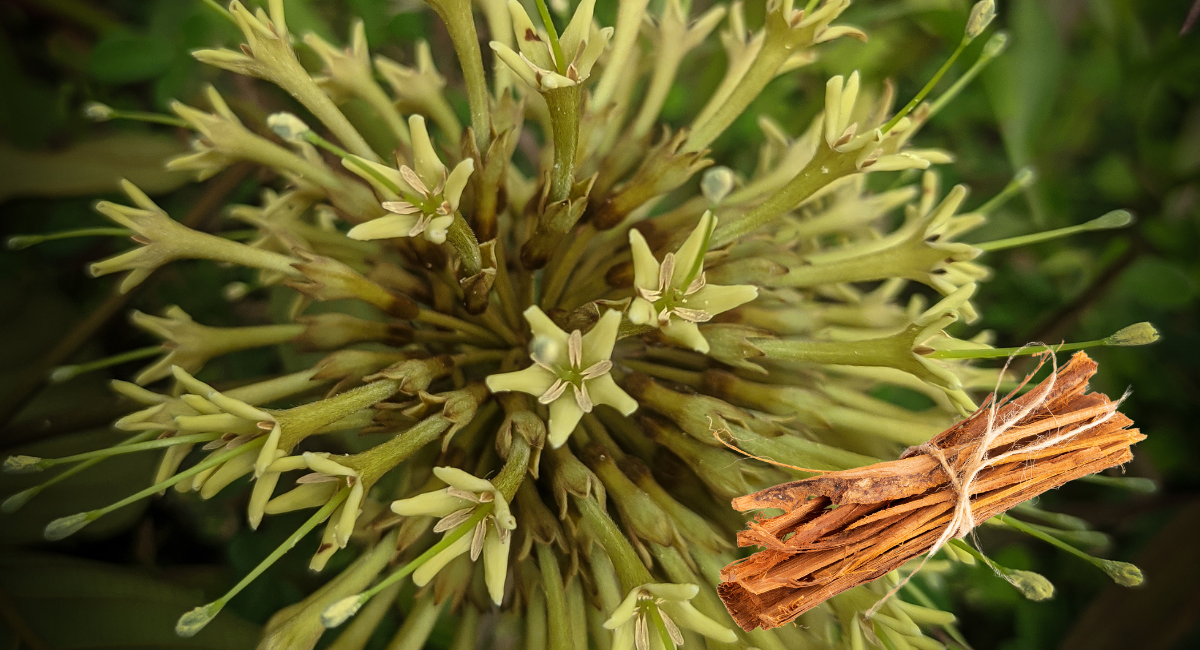
Cat's Claw is a climbing vine native to the Amazon rainforest, and yes I am also wondering if anyone is allowed to grow this up the side of their house because I want that. Someone look into the HOA regulations and report back.
It's anti-inflammatory, antioxidant, and an immune tonic, which is a solid three-for-one. It works best taken alongside other immune enhancing herbs rather than flying solo, so this is a good one to think about in combination rather than in isolation. It can help with chronic infections and is considered beneficial for degenerative disease management.
In South America it has a long history of use for its anti-tumor properties, which is one of those traditional applications that deserves way more research attention than it currently gets. Funny how that works with cancer-adjacent plants. Huh. Anyway.
The Amazon rainforest connection is also worth saying out loud: cat's claw is yet another reason to be genuinely angry about deforestation. We are continuously cutting down one of the most biodiverse and medicinally rich ecosystems on the planet. For what! Stop it!
Safety note: Do not take during pregnancy, and worth knowing that it may have some contraceptive properties so keep that in mind depending on where you are in life. Nausea is a possible side effect for some people. As with most immune modulating herbs, if you're on immunosuppressant medications check with your provider before adding this one in.
Cat's Claw https://www.ncbi.nlm.nih.gov/books/NBK548323/
Cat's claw's therapeutic uses https://www.ebsco.com/research-starters/health-and-medicine/cats-claws-therapeutic-uses
Cat's claw: an Amazonian vine decreases inflammation in osteoarthritis https://pubmed.ncbi.nlm.nih.gov/17210508/
Herbal Remedies by Andrew Chevallier
Disclaimer: The content on this website is provided for informational and educational purposes only and is not a substitute for professional medical advice, diagnosis, or treatment. No provider-patient relationship is created by use of this site. The author makes no representations regarding the accuracy or completeness of the information and assumes no liability for any adverse effects resulting from the use of plants or remedies described herein.
Who wrote it? What are their credentials? Who published it and why? A wellness blog and a peer-reviewed journal are not the same thing, even when they say the same words. Always click through to the original source.

Science updates over time. A 2003 study on a supplement may have been contradicted twelve times since. Always look for the publication date and whether newer research exists. "Studies show" means nothing without a timestamp.

Who funded the study? A supplement company funding research on their own supplement is a conflict of interest. It's not automatically a disqualification, but worth noting. Look for the "funding" or "disclosures" section of any study you read.

Not all research is equal. A randomized controlled trial carries more weight than a case study or an animal study. "A study found..." could mean ten people in a lab or a decade-long population study. Big difference.
If only one source is saying something, be skeptical. If ten independent sources across different institutions, different countries, different decades are saying the same thing, you're getting warmer. Consensus is earned, and studies should be peer reviewed.
The National Institutes of Health database (PubMed) is free and searchable. Examine.com aggregates supplement research without selling anything. Both are significantly more reliable than any wellness influencer, including me.