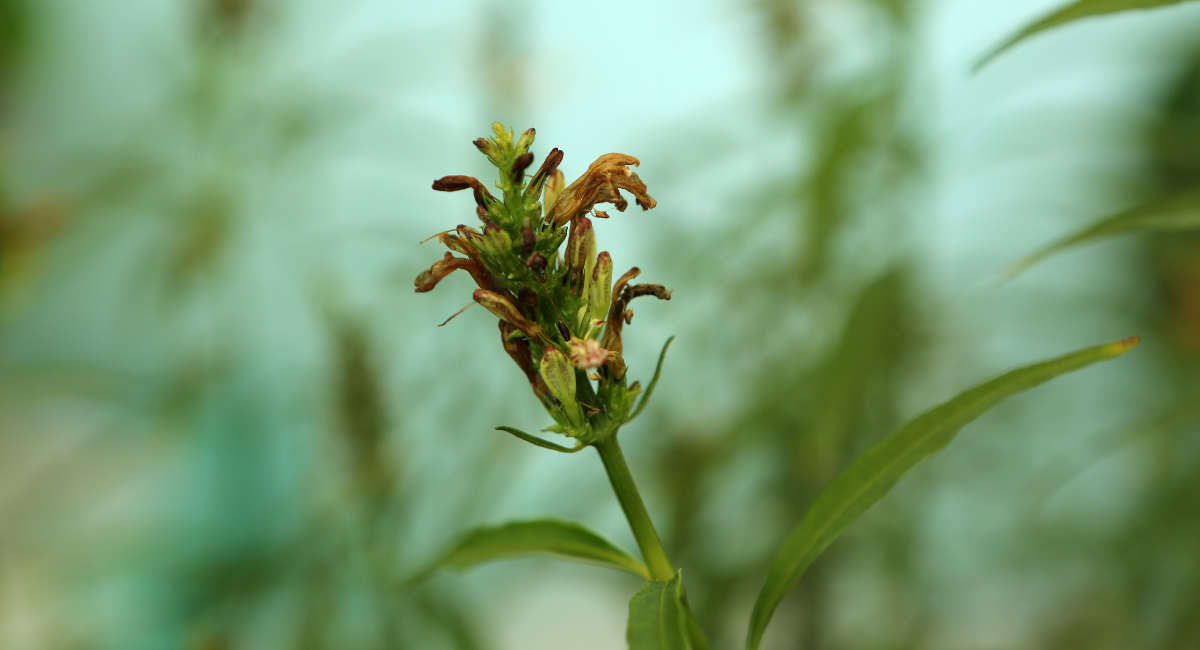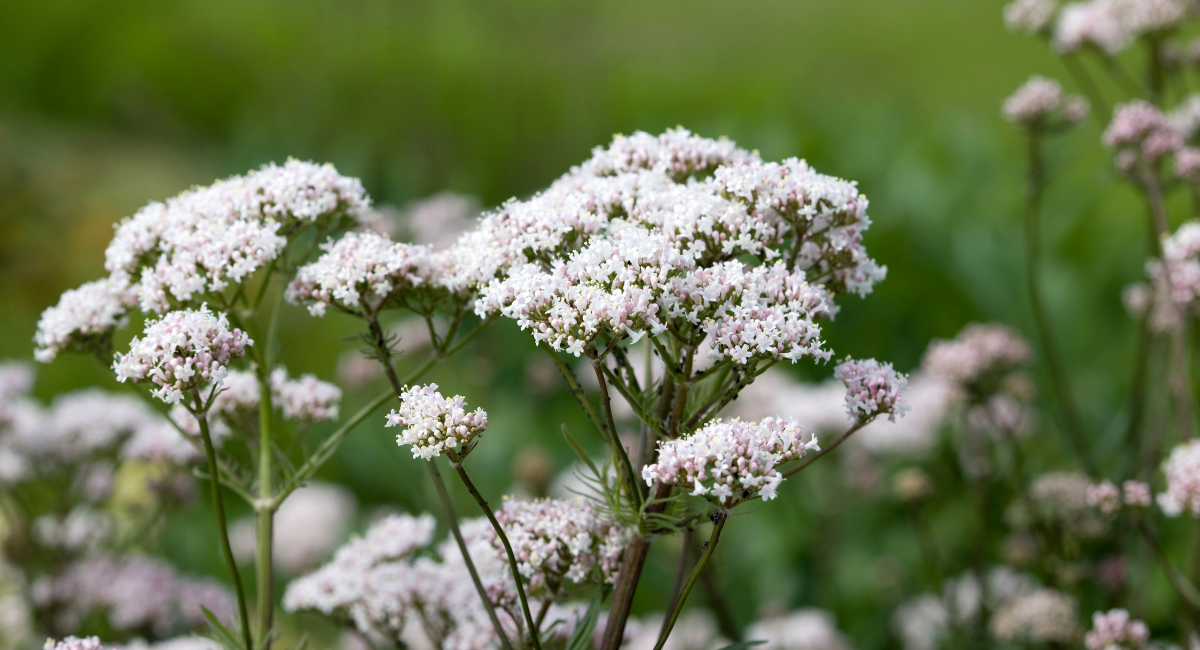
Wound healing, Anti-inflammatory, Antioxidant, Tissue regenerative
Flavonoids, Glycosides, Terpenoids, Saponins
This Site is for Educational Use Only: The information on this page is for educational and informational purposes only and is not intended as medical advice, diagnosis, or treatment. I am not a licensed medical professional. Always consult a qualified healthcare provider before using any medicinal plants, especially if you are pregnant, nursing, taking medications, or have a medical condition.
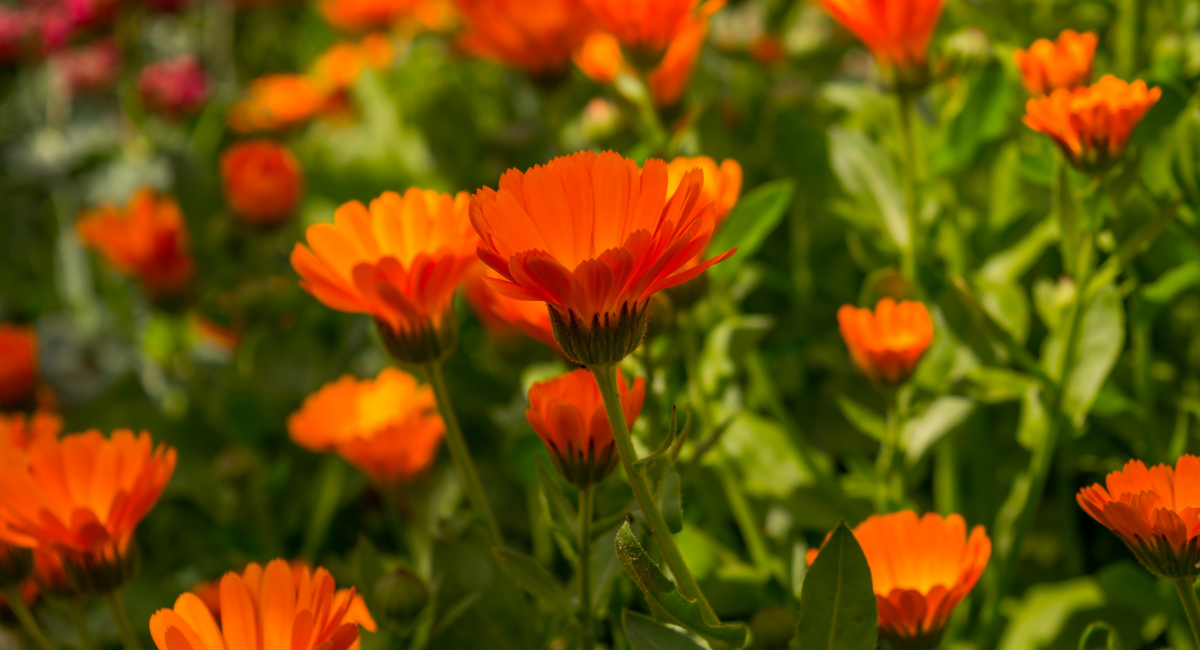
You almost certainly know this one by another name. Calendula (Calendula officinalis) is the marigold. Yes, that marigold. The bright, cheerful one you see at flower shops and farmers markets and strung into garlands for Day of the Dead celebrations across Mexico and Central America. It's been used in Catholic and Hindu religious ceremonies for centuries, and just as long in food and medicine. It's one of those plants that has never really gone out of style because it keeps showing up and being useful.
Topically, calendula is a genuine wound-care powerhouse. It's antibacterial and promotes tissue healing by essentially pulling the edges of a wound together and speeding the repair process along. It's also anti-inflammatory and antifungal, which means it covers a lot of ground for skin issues. Burns, sunburns, insect bites, varicose veins, and potentially even candida overgrowth are all in its proposed use territory. Work it into a lotion, cream, or ointment, and you have something genuinely useful in your first aid rotation.
Internally, calendula can help with digestive problems, menstrual issues, and acts as a blood cleanser. It's been a culinary ingredient for as long as it's been a medicinal one, which is part of what makes it so accessible. I grind it into tea cakes, or boil it into a tea or milk tea and use that liquid in place of water or milk when baking. It adds a delicate floral note and a little extra something to anything sweet. Highly recommend alongside vanilla specifically. The combination is genuinely so warm and lovely, and it doesn't hurt that you're sneaking in the benefits with your menstrual cycle baking. It's like a craving and medicine in one.
Safety note: Calendula is considered very safe for most people, but as with anything applied topically or ingested, check your own allergy history first, particularly if you're sensitive to plants in the daisy family. Patch test before applying to larger skin areas.
An Updated Review on the Multifaceted Therapeutic Potential of Calendula officinalis L. https://pmc.ncbi.nlm.nih.gov/articles/PMC10142266/
Herbal Remedies by Andrew Chevallier
Sacred Herbs by Opal Streisand
Medicinal Herbs by JJ Pursell
Disclaimer: The content on this website is provided for informational and educational purposes only and is not a substitute for professional medical advice, diagnosis, or treatment. No provider-patient relationship is created by use of this site. The author makes no representations regarding the accuracy or completeness of the information and assumes no liability for any adverse effects resulting from the use of plants or remedies described herein.
Who wrote it? What are their credentials? Who published it and why? A wellness blog and a peer-reviewed journal are not the same thing, even when they say the same words. Always click through to the original source.

Science updates over time. A 2003 study on a supplement may have been contradicted twelve times since. Always look for the publication date and whether newer research exists. "Studies show" means nothing without a timestamp.

Who funded the study? A supplement company funding research on their own supplement is a conflict of interest. It's not automatically a disqualification, but worth noting. Look for the "funding" or "disclosures" section of any study you read.
Not all research is equal. A randomized controlled trial carries more weight than a case study or an animal study. "A study found..." could mean ten people in a lab or a decade-long population study. Big difference.
If only one source is saying something, be skeptical. If ten independent sources across different institutions, different countries, different decades are saying the same thing, you're getting warmer. Consensus is earned, and studies should be peer reviewed.
The National Institutes of Health database (PubMed) is free and searchable. Examine.com aggregates supplement research without selling anything. Both are significantly more reliable than any wellness influencer, including me.