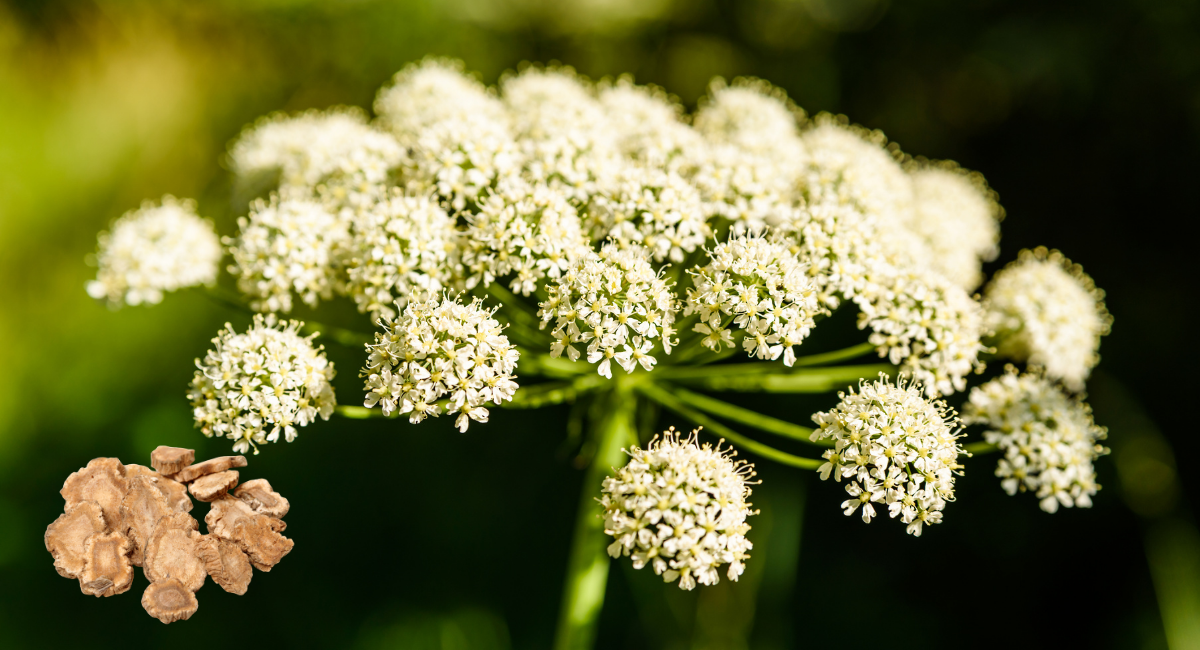
Anti-inflammatory, Antimicrobial, Antifungal, Estrogenic
Phenolics, Coumarins (steroid analogs)

This Site is for Educational Use Only: The information on this page is for educational and informational purposes only and is not intended as medical advice, diagnosis, or treatment. I am not a licensed medical professional. Always consult a qualified healthcare provider before using any medicinal plants, especially if you are pregnant, nursing, taking medications, or have a medical condition.
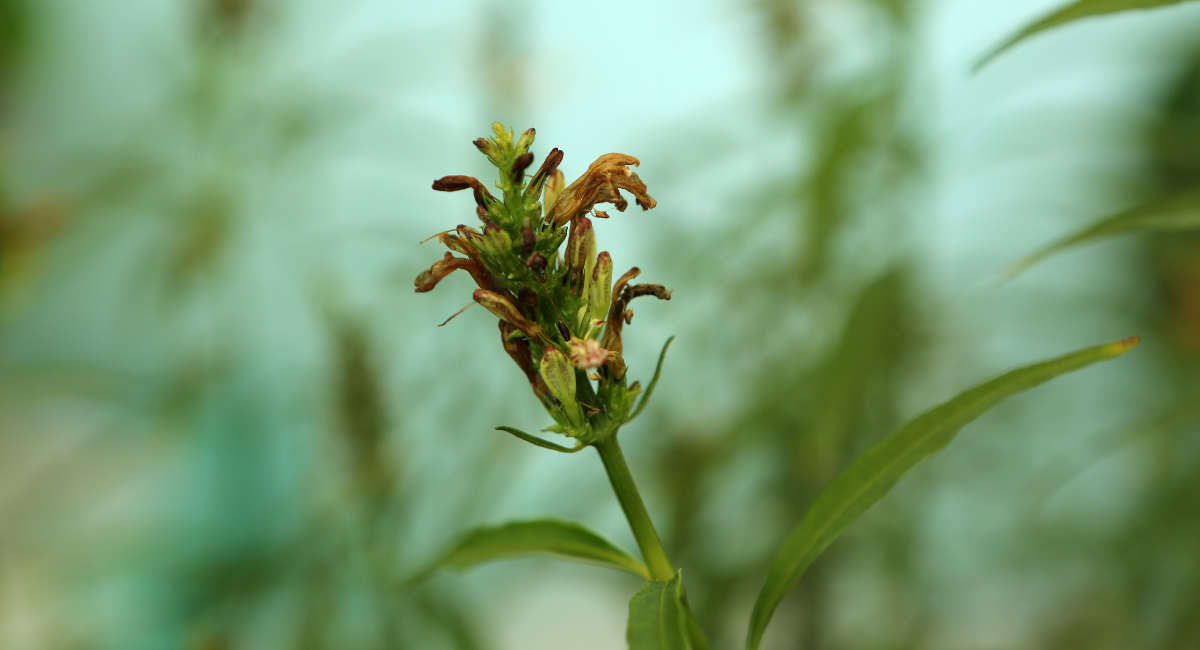
Legend has it that an angel appeared to a monk and gifted him angelica (Angelica archangelica) as a cure for the plague. The monk apparently did not pass it along, or legend is not entirely reliable. One of those two things is true.
Before Christianity wove itself into the plant's story, angelica was associated with pagan ritual, which honestly makes it more interesting. It has one of the more dramatic origin stories in this database and the medicinal profile to back up the mystique.
One important note before anything else: fresh angelica root is poisonous. Do not eat it fresh. It needs to be completely dried before any medicinal preparation, so if you're sourcing or foraging this one, preparation matters more than usual.
Once properly dried, angelica has a solid range of uses. As an essential oil it can help relieve arthritic pain topically. As a tea it addresses arthritis, rheumatism, and digestive disorders. It's also an expectorant and can induce sweating and cooling, making it useful for chest congestion and asthma. It strengthens weak circulation and can stimulate appetite in people whose illness or stress has suppressed it. If you've been reading through this database and noticing how many plants seem to do several things at once, that's not coincidence. It comes down to the range of active compounds within a single plant interacting across different body systems simultaneously.
For those managing chronic illness specifically, angelica is one worth researching further. It's pretty well rounded for that context. Bless up Angelica!
Fair warning: it's quite bitter. Prepare yourself.
Safety note: Angelica is generally safe when properly prepared, meaning fully dried. Fresh root is not an option. As always, consult your provider if you're pregnant, on medications, or managing a chronic condition.
Phytochemical Constituents, Folk Medicinal Uses, and Biological Activities of Genus Angelica: A Review https://pmc.ncbi.nlm.nih.gov/articles/PMC9822461/
Herbal Remedies by Andrew Chevallier
Sacred Herbs by Opal Streisand
Disclaimer: The content on this website is provided for informational and educational purposes only and is not a substitute for professional medical advice, diagnosis, or treatment. No provider-patient relationship is created by use of this site. The author makes no representations regarding the accuracy or completeness of the information and assumes no liability for any adverse effects resulting from the use of plants or remedies described herein.

Who wrote it? What are their credentials? Who published it and why? A wellness blog and a peer-reviewed journal are not the same thing, even when they say the same words. Always click through to the original source.

Science updates over time. A 2003 study on a supplement may have been contradicted twelve times since. Always look for the publication date and whether newer research exists. "Studies show" means nothing without a timestamp.

Who funded the study? A supplement company funding research on their own supplement is a conflict of interest. It's not automatically a disqualification, but worth noting. Look for the "funding" or "disclosures" section of any study you read.

Not all research is equal. A randomized controlled trial carries more weight than a case study or an animal study. "A study found..." could mean ten people in a lab or a decade-long population study. Big difference.
If only one source is saying something, be skeptical. If ten independent sources across different institutions, different countries, different decades are saying the same thing, you're getting warmer. Consensus is earned, and studies should be peer reviewed.

The National Institutes of Health database (PubMed) is free and searchable. Examine.com aggregates supplement research without selling anything. Both are significantly more reliable than any wellness influencer, including me.