Abigail Shaw
Writer, communicator, etc.
Content warnings. I’m going to be talking about some heavy things I’ve recently read over the last couple of weeks (transphobia, sexual assault, death).
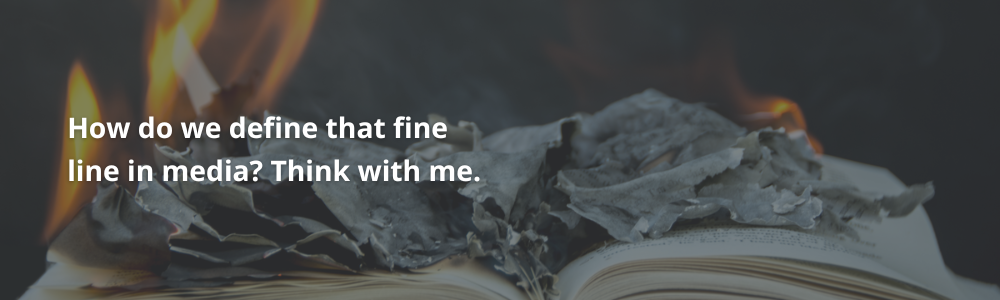
Last night I finished the book The Death of Vivek Oji by Akwaeke Emezi. To preface, this book is about the death of a young Nigerian man and explores homophobia and transphobia in Nigeria. Reading the summary on the back of the book makes it obvious enough that this isn’t going to be a happy-go-lucky story. But what was not included anywhere in my physical copy were content warnings. Trigger warnings. Call them what you will. They were not there. It got me wondering about the fine line between bringing awareness to horrific acts and exploiting those same acts in media and how we can know the difference.
The world is a dark place, and I see this as an argument for why we must write about and show the horrible things that do happen to bring awareness to different peoples’ experiences in the world. This I agree with. That is what storytelling is for: to allow different voices to be heard and shared.
Call it misandry, but I purposefully avoid books written by men. Sue me! Because every time I give one a shot, the way women are written is so shallow and riddled with hate. The way sex is written is abhorrent.
Now, I picked up The Death of Vivek Oji, looked at the author (they/them), and was like, rock on! I wish I had read the details of the reviews. I then would have known that the book was riddled with rape and violent sex scenes that left little to the imagination and did not present women well. I had to put the book down many times, but I did finish it. The story was important; Emezi is a great writer. They had a way of making the reader feel discomfort at the horrors they should feel discomfort at. They shed light on the homophobia and transphobia that many Nigerian people experience daily. Those scenes were important. They added value to the story.
What I found issue with was, to give some examples, the details of the physical sensations of pain one character felt as he was being raped, or the way a man viewed the woman he was hatefully sleeping with behind his wife’s back. The way that “other woman” was described, and the details about her body and the abuse he enjoyed inflicting upon her simply because he didn’t like her. Now, I get it. These things happen in the real world. We ALL know they do. We (all genders) all experience sexism and misogyny at some level every day.
I’m not saying we shouldn’t include those perspectives in stories, but do they need to be so graphic every time? Does the point not get across without the details that feel as though they’re fueling some random man in a basement’s violent fantasies? And if we do feel they are important, WHY are we NOT adding content warnings in the 2020s? While it's important to give accurate representation to people's struggles, I can't help but feel that media crosses the line into perpetuating more harm.
I was also disappointed in how overly sexualized many of these young LGBTQIA+ characters were made to be in the book. You couldn’t get through a few chapters without one of them sleeping with someone, giving someone new a blowjob, or cheating on their partner. The young gay man and his trans cousin engage in incest throughout the entirety of the book. It was written as shameful to top it all off. It felt like a perpetuation of harmful stereotypes, especially with how LGBTQIA+ people (trans people especially) are viewed by society and by the laws that govern us. There is a misconception that all members of the LGBTQIA+ are hypersexual, and it's simply not true and not fair. I was just disappointed. Awareness was brought to an issue that needs to be talked about, but these characters and the people they represent felt extremely exploited in the process.
This is not the only example of this out there. It happens in many more books by many more authors. This is simply the book I finished before bed last night that prompted these thoughts.
This is one woman’s opinion. But I’m tired of women and other legally unprotected groups constantly being abused, raped, and sexualized in media. I’m tired of reading about it, and I’m tired of seeing it on the screen. I’m convinced it’s done to desensitize us to the violence a smaller group of powerful people inflicts on the rest of us.
When did it become okay for sex and sexuality to be inherently violent? When did we stop viewing women and non gender conforming people as human? Stop seeing people who are different than us as human?
I know, I know. “It’s always been like this. We’re just talking about it now.” Except we’re not talking about it in constructive ways. We’re feeding into it. Normalizing it even more. I’m so scared for children of the coming generations.
We say we’re fighting for their rights to be free and love who they want to love, and I believe many, most, of us are. But the media? The stories being written? The movies being pushed out? They are as violent as ever, and we call it groundbreaking film and storytelling. Constructive change starts with the stories we tell each other, how we tell them, and who we choose to tell them for.
I write a lil something like this usually once or twice a month. Drop your email, and I'll send it straight to you. No newsletter format, no extra spam emails. Just the essay. (Mom this is for you.)