Antimicrobial, Anti-inflammatory, Antioxidant, Astringent, Pain relieving
Polyphenols, Flavonoids, Sterols

This Site is for Educational Use Only: The information on this page is for educational and informational purposes only and is not intended as medical advice, diagnosis, or treatment. I am not a licensed medical professional. Always consult a qualified healthcare provider before using any medicinal plants, especially if you are pregnant, nursing, taking medications, or have a medical condition.
Yarrow (Achillea millefolium) has a reputation as a cure-all, and while that's a term I use cautiously in this database, yarrow kind of earns it. It shows up across an impressive range of uses: colds, flu, fever, cuts, bruises, digestive support, and menstrual regulation. For a single plant that also happens to be beautiful, that's a solid resume.
The fever and cold application makes sense once you understand the mechanism. Yarrow induces sweating, which is one of the body's natural ways of moving through a fever. Drinking it as a hot tea when you're sick is the most common preparation, and hot is the operative word there. The warmth plus the yarrow's action work together. Fair warning: it's on the bitter side, so maybe don't go in expecting chamomile.
It can also stop bleeding when applied to cuts and bruises, strengthen blood vessels (veins especially), and act as a digestive tonic. And it's completely herbal and caffeine-free, so drinking it in the evening is a non-issue.
For menstrual health specifically, yarrow can help reduce heavy bleeding. I drink it alongside raspberry leaf tea in the lead-up to my cycle and it has made a noticeable difference in regulating my flow. If that's something you deal with, it's worth trying that combination.
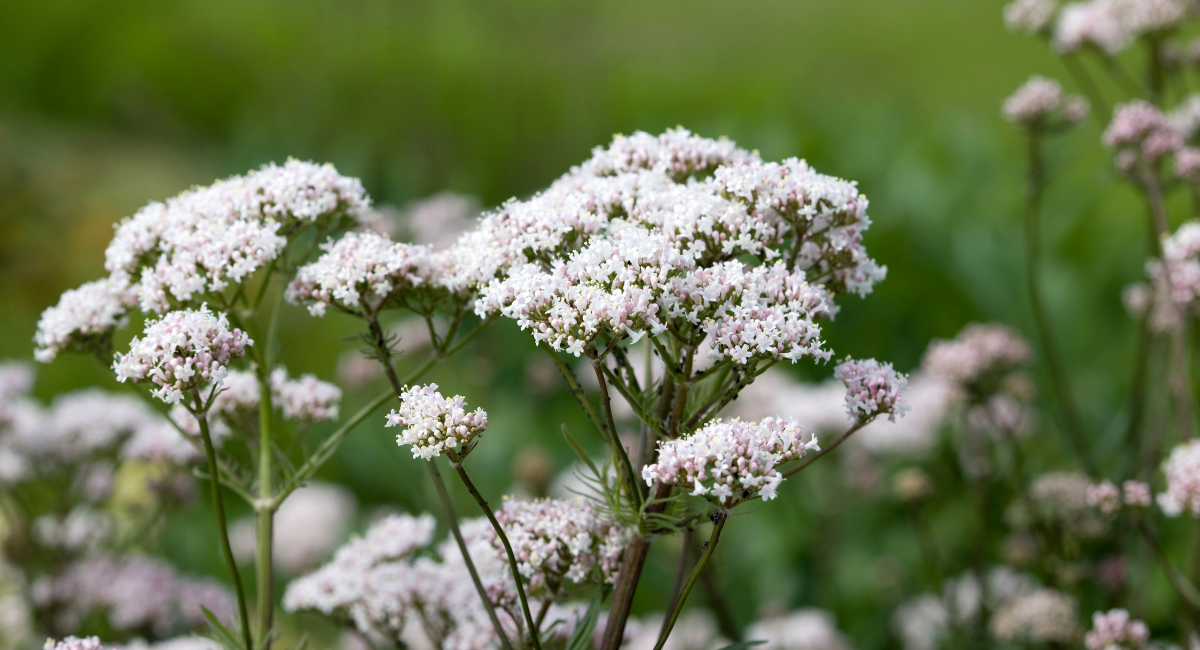
I also have yarrow planted in my front yard, and the white flowers mixed in with everything else are genuinely so pretty. Medicinal and decorative and I lowkey don't have to do much to keep it healthy. It does its own thing. The best kind of plant.
Safety note: Not recommended during pregnancy or breastfeeding. Yarrow can also cause allergic skin reactions, so test a small amount on your inner wrist before applying it topically to wounds. If you're sensitive to plants in the daisy family, approach with caution.
Achillea millefolium: Mechanism of action, pharmacokinetic, clinical drug-drug interactions and tolerability https://pmc.ncbi.nlm.nih.gov/articles/PMC10703637/
Yarrow and its Medicinal Benefits https://www.permaculture.co.uk/articles/yarrow-and-its-medicinal-benefits/
A review on phytochemistry and medicinal properties of the genus Achillea https://pmc.ncbi.nlm.nih.gov/articles/PMC3232110/
Herbal Remedies by Andrew Chevallier
Sacred Herbs by Opal Streisand
Medicinal Herbs by JJ Pursell
Disclaimer: The content on this website is provided for informational and educational purposes only and is not a substitute for professional medical advice, diagnosis, or treatment. No provider-patient relationship is created by use of this site. The author makes no representations regarding the accuracy or completeness of the information and assumes no liability for any adverse effects resulting from the use of plants or remedies described herein.

Who wrote it? What are their credentials? Who published it and why? A wellness blog and a peer-reviewed journal are not the same thing, even when they say the same words. Always click through to the original source.

Science updates over time. A 2003 study on a supplement may have been contradicted twelve times since. Always look for the publication date and whether newer research exists. "Studies show" means nothing without a timestamp.

Who funded the study? A supplement company funding research on their own supplement is a conflict of interest. It's not automatically a disqualification, but worth noting. Look for the "funding" or "disclosures" section of any study you read.

Not all research is equal. A randomized controlled trial carries more weight than a case study or an animal study. "A study found..." could mean ten people in a lab or a decade-long population study. Big difference.
If only one source is saying something, be skeptical. If ten independent sources across different institutions, different countries, different decades are saying the same thing, you're getting warmer. Consensus is earned, and studies should be peer reviewed.

The National Institutes of Health database (PubMed) is free and searchable. Examine.com aggregates supplement research without selling anything. Both are significantly more reliable than any wellness influencer, including me.