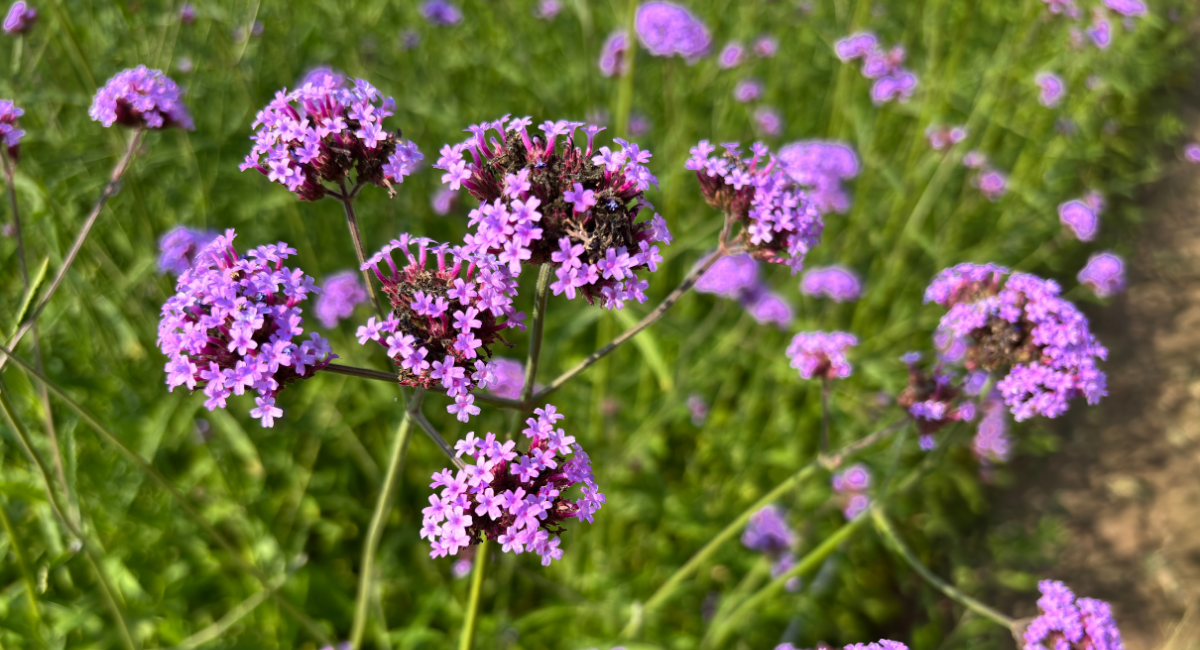
Anti-inflammatory, Antispasmodic, Analgesic, Nervine relaxant
Phenolics, Tannins, Polyphenols

This Site is for Educational Use Only: The information on this page is for educational and informational purposes only and is not intended as medical advice, diagnosis, or treatment. I am not a licensed medical professional. Always consult a qualified healthcare provider before using any medicinal plants, especially if you are pregnant, nursing, taking medications, or have a medical condition.
If you watched Vampire Diaries, you already have vervain stored somewhere in your brain. Elena Gilbert spent a solid few seasons croaking Stefan's name while wearing it around her neck as vampire repellent and then yelling Damon's name whenever she was vampire-poisoned with it. Don't worry. It won't poison you! Sadly, I cannot confirm or deny the vampire application. What I can tell you is that the actual plant has a pretty interesting profile that has nothing to do with the supernatural.
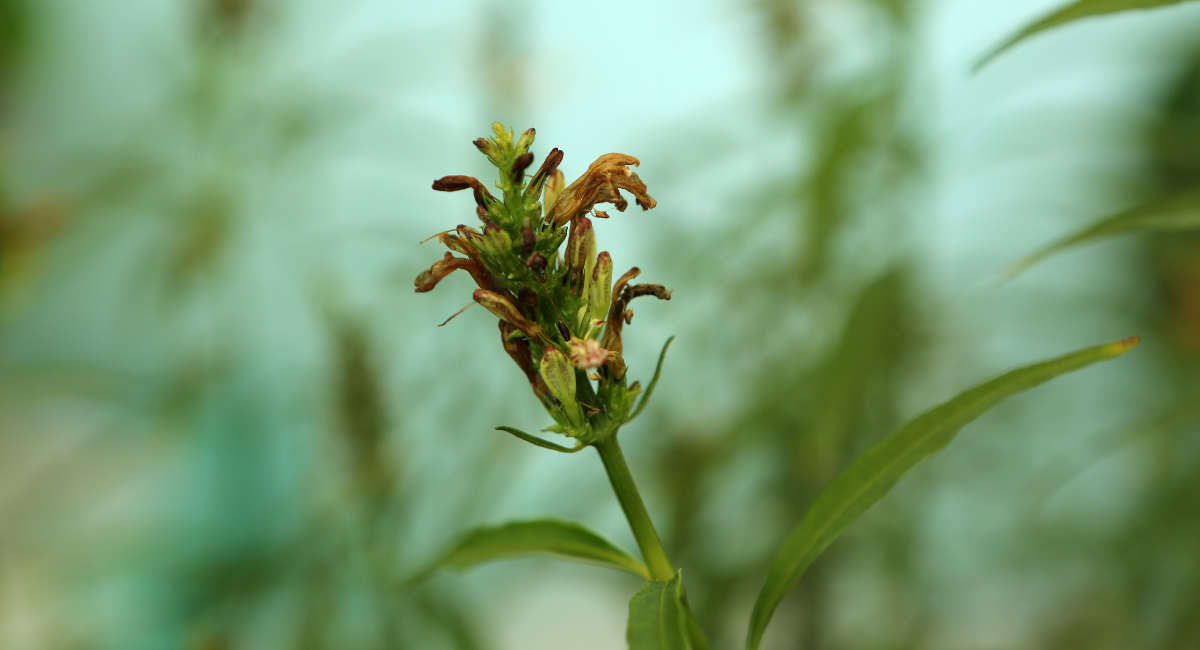
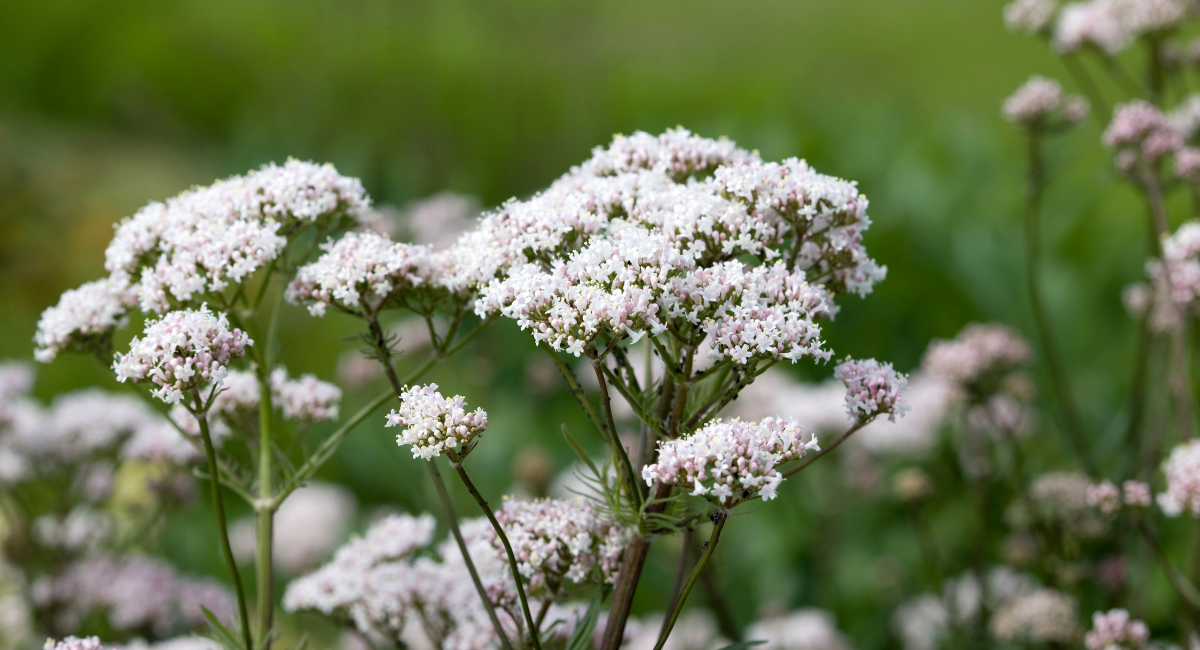
Vervain (Verbena officinalis) is restorative, which is maybe not the first word that comes to mind for an herb most people know from a teen drama. It works primarily on the nervous and digestive systems, relieving anxiety and helping with nervous exhaustion from prolonged or chronic stress. Which, honestly, feels relevant to most people alive right now.
It also has mild progesteronic activity, meaning it may help with premenstrual symptoms, though mild is doing real work in that sentence. Don't expect dramatic results there, but it's worth noting. There are also some reports of vervain helping with menstrual headaches specifically, though the research is thin. If you try it for that, let me know if it works because the jury is still very much out.
One less commonly known use: vervain can be taken before meals to stimulate a poor appetite, making it potentially useful for people whose stress or health conditions have impacted their ability to eat regularly.
Best taken as a tincture rather than a tea, which sets it apart from most of the herbs in this database.
A note on research: Vervain is genuinely under-studied relative to how long it's been used traditionally. That doesn't disqualify it, but it does mean we're working with less clinical backing than something like ginger or chamomile. Worth keeping that context in mind. Yet. The keyword is yet.
Verbena officinalis (Common Vervain) - A Review on the Investigations of This Medicinally Important Plant Species https://pubmed.ncbi.nlm.nih.gov/32937665/
Herbal Remedies by Andrew Chevallier
Medicinal Herbs by JJ Pursell
Disclaimer: The content on this website is provided for informational and educational purposes only and is not a substitute for professional medical advice, diagnosis, or treatment. No provider-patient relationship is created by use of this site. The author makes no representations regarding the accuracy or completeness of the information and assumes no liability for any adverse effects resulting from the use of plants or remedies described herein.
Who wrote it? What are their credentials? Who published it and why? A wellness blog and a peer-reviewed journal are not the same thing, even when they say the same words. Always click through to the original source.

Science updates over time. A 2003 study on a supplement may have been contradicted twelve times since. Always look for the publication date and whether newer research exists. "Studies show" means nothing without a timestamp.

Who funded the study? A supplement company funding research on their own supplement is a conflict of interest. It's not automatically a disqualification, but worth noting. Look for the "funding" or "disclosures" section of any study you read.

Not all research is equal. A randomized controlled trial carries more weight than a case study or an animal study. "A study found..." could mean ten people in a lab or a decade-long population study. Big difference.
If only one source is saying something, be skeptical. If ten independent sources across different institutions, different countries, different decades are saying the same thing, you're getting warmer. Consensus is earned, and studies should be peer reviewed.

The National Institutes of Health database (PubMed) is free and searchable. Examine.com aggregates supplement research without selling anything. Both are significantly more reliable than any wellness influencer, including me.