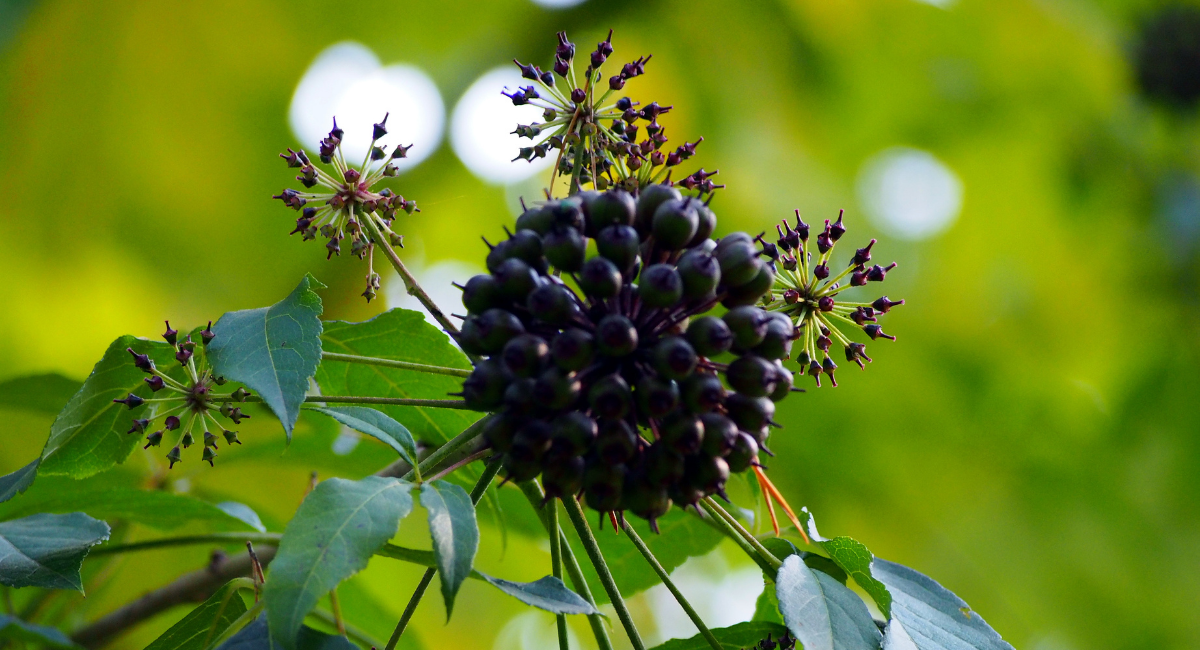
Adaptogen, Stimulant, Immune booster, Anti-inflammatory
Phenolics, Flavonoids, Triterpene glycosides

This Site is for Educational Use Only: The information on this page is for educational and informational purposes only and is not intended as medical advice, diagnosis, or treatment. I am not a licensed medical professional. Always consult a qualified healthcare provider before using any medicinal plants, especially if you are pregnant, nursing, taking medications, or have a medical condition.
Research pending
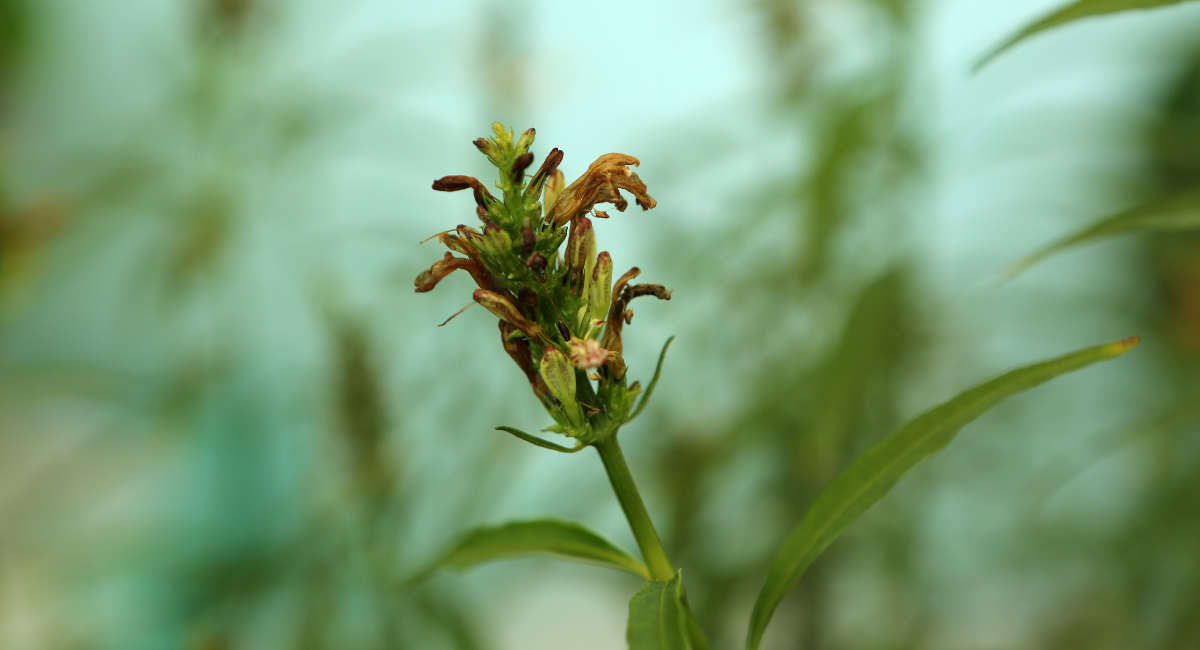
Siberian ginseng has one of the coolest origin stories in this database. Soviet researchers studied it extensively and it was given to Russian cosmonauts to aid endurance in space. In space! This plant was literally sent to orbit as a performance enhancer. I don't know what else you need to hear but if that doesn't make you want to learn more about it then I don't know what to tell you.
It helps the body adapt to all kinds of stress, both physical and mental, which puts it firmly in adaptogen territory alongside rhodiola and ashwagandha. It's also an immune stimulant and a tonic that enhances stamina and improves energy levels. For older adults dealing with exhaustion specifically, it has shown real promise. If you're starting from a place of serious depletion, begin with a very low dose and increase slowly rather than going straight in at full strength. Let your body adjust.
Beyond general stress and energy, Siberian ginseng has been used to support people dealing with chronic or ongoing illness, and notably has been used to aid recovery from radiation therapy in cancer survivors. The Russians have been using this one for a long time and their research on it is actually more extensive than a lot of Western herbal medicine studies, which is a fun reminder that useful knowledge comes from everywhere.
Safety note: Not advisable if you have high blood pressure. It may interact with various medications so look up your specific situation before adding it in. This is one where a quick cross reference with whatever else you're taking is genuinely worth doing rather than skipping.
Eleutherococcus root: a comprehensive review of its phytochemistry and pharmacological potential in the context of its adaptogenic effect https://pmc.ncbi.nlm.nih.gov/articles/PMC12605232/
Biological Activities of Ginseng and Its Application to Human Health https://www.ncbi.nlm.nih.gov/books/NBK92776/
Effects of Siberian ginseng (Eleutherococcus senticosus maxim.) on elderly quality of life: a randomized clinical trial https://pubmed.ncbi.nlm.nih.gov/15207399/
Herbal Remedies by Andrew Chevallier
Disclaimer: The content on this website is provided for informational and educational purposes only and is not a substitute for professional medical advice, diagnosis, or treatment. No provider-patient relationship is created by use of this site. The author makes no representations regarding the accuracy or completeness of the information and assumes no liability for any adverse effects resulting from the use of plants or remedies described herein.

Who wrote it? What are their credentials? Who published it and why? A wellness blog and a peer-reviewed journal are not the same thing, even when they say the same words. Always click through to the original source.

Science updates over time. A 2003 study on a supplement may have been contradicted twelve times since. Always look for the publication date and whether newer research exists. "Studies show" means nothing without a timestamp.

Who funded the study? A supplement company funding research on their own supplement is a conflict of interest. It's not automatically a disqualification, but worth noting. Look for the "funding" or "disclosures" section of any study you read.

Not all research is equal. A randomized controlled trial carries more weight than a case study or an animal study. "A study found..." could mean ten people in a lab or a decade-long population study. Big difference.
If only one source is saying something, be skeptical. If ten independent sources across different institutions, different countries, different decades are saying the same thing, you're getting warmer. Consensus is earned, and studies should be peer reviewed.

The National Institutes of Health database (PubMed) is free and searchable. Examine.com aggregates supplement research without selling anything. Both are significantly more reliable than any wellness influencer, including me.