Sedative, Anxiolytic, Antispasmodic, CNS calming
Alkaloids (harman, harmaline), Flavonoids, Glycosides, Cyanogenic glycosides (in some species)
This Site is for Educational Use Only: The information on this page is for educational and informational purposes only and is not intended as medical advice, diagnosis, or treatment. I am not a licensed medical professional. Always consult a qualified healthcare provider before using any medicinal plants, especially if you are pregnant, nursing, taking medications, or have a medical condition.
Passionflower was named by colonists who thought it looked like the crucifixion, which is a very colonist thing to do with a plant that indigenous people had been using and presumably naming long before anyone showed up to rename it. I do genuinely wonder what it was called before that. Something worth looking into.
Indigenous use of this plant is rich and varied. In Peru it was used to treat boils, wounds, earache, and liver conditions. The Aztecs used it for snake bites and fevers. The Cherokee used it as food. The Houma made it into tea and eventually shared that with the colonists, who then named it after the crucifixion. As one does.
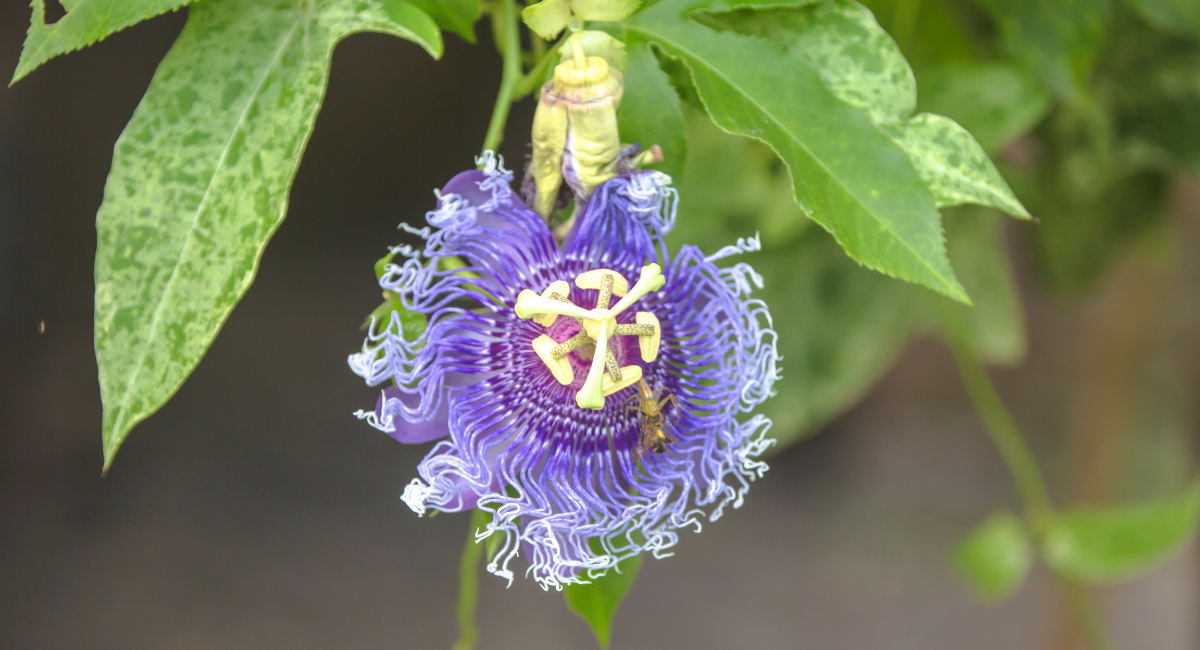
It is admittedly a slightly strange looking flower, all tendrils and alien geometry, but what it does is anything but strange. Passionflower is a calming relaxant and sleep aid with a solid reputation for exactly those applications. It's antispasmodic, making it useful for spasmodic pain, and works gently enough that it's one of the more approachable options for people newer to herbal remedies for anxiety or sleep issues.
The calming properties connect directly to that long history of use across so many different cultures. When that many independent traditions land on the same application, it's worth paying attention.
Safety note: Allergic reactions are rare but possible. Avoid during pregnancy. If you're on sedatives or anti-anxiety medications, check with your provider before adding passionflower given its calming effects.
Passiflora edulis: An Insight Into Current Researches on Phytochemistry and Pharmacology https://pmc.ncbi.nlm.nih.gov/articles/PMC7251050/
Passionflower https://www.nccih.nih.gov/health/passionflower
Pharmacological studies of Passiflora sp. and their bioactive compounds https://academicjournals.org/article/article1380125484_Ingale%20and%20Hivrale.pdf
Herbal Medicinal Products from Passiflora for Anxiety: An Unexploited Potential https://pmc.ncbi.nlm.nih.gov/articles/PMC7387951/
Sacred Herbs by Opal Streisand
Herbal Remedies by Andrew Chevallier
Disclaimer: The content on this website is provided for informational and educational purposes only and is not a substitute for professional medical advice, diagnosis, or treatment. No provider-patient relationship is created by use of this site. The author makes no representations regarding the accuracy or completeness of the information and assumes no liability for any adverse effects resulting from the use of plants or remedies described herein.

Who wrote it? What are their credentials? Who published it and why? A wellness blog and a peer-reviewed journal are not the same thing, even when they say the same words. Always click through to the original source.

Science updates over time. A 2003 study on a supplement may have been contradicted twelve times since. Always look for the publication date and whether newer research exists. "Studies show" means nothing without a timestamp.

Who funded the study? A supplement company funding research on their own supplement is a conflict of interest. It's not automatically a disqualification, but worth noting. Look for the "funding" or "disclosures" section of any study you read.

Not all research is equal. A randomized controlled trial carries more weight than a case study or an animal study. "A study found..." could mean ten people in a lab or a decade-long population study. Big difference.
If only one source is saying something, be skeptical. If ten independent sources across different institutions, different countries, different decades are saying the same thing, you're getting warmer. Consensus is earned, and studies should be peer reviewed.

The National Institutes of Health database (PubMed) is free and searchable. Examine.com aggregates supplement research without selling anything. Both are significantly more reliable than any wellness influencer, including me.