Relaxant, Antispasmodic, Sedative, Anti-inflammatory, Antioxidant, Antimicrobial, Uterine stimulant, May reduce bleeding
Alkaloids (leonuride), Terpenoids, Glycosides, Phenolics (rutin, quercetin), Tannins, Essential oils

This Site is for Educational Use Only: The information on this page is for educational and informational purposes only and is not intended as medical advice, diagnosis, or treatment. I am not a licensed medical professional. Always consult a qualified healthcare provider before using any medicinal plants, especially if you are pregnant, nursing, taking medications, or have a medical condition.
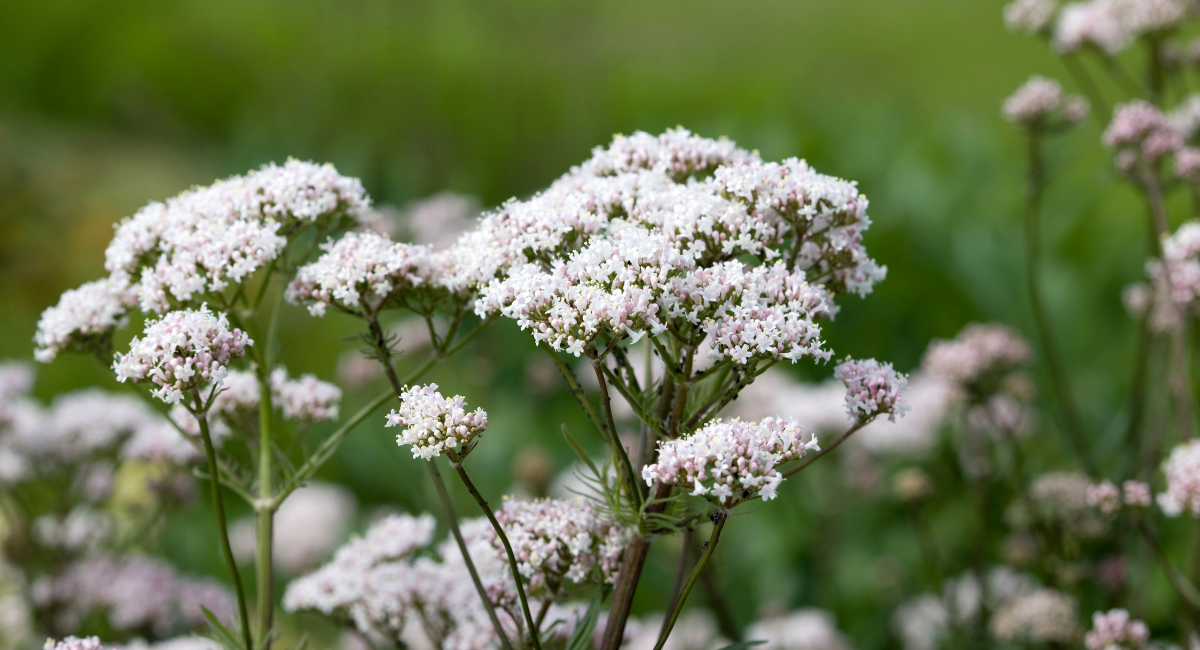
Motherwort has been used as a heart medicine for centuries, which feels appropriate given that the name itself is warm and nurturing and the plant backs that up medicinally.
It's a heart tonic, nerve tonic, relaxant, and mild bitter, which is a combination that makes it particularly useful for people whose physical symptoms are tangled up with anxiety or stress. An irregular heartbeat that shows up alongside nervousness? Motherwort. High blood pressure with a nervous disposition underneath it? Motherwort. It calms the nervous system and supports the cardiovascular system at the same time, which is a genuinely useful pairing.
It's also prescribed for angina and can help with an overactive thyroid, making it one of the more undervalued herbs in this database considering the range of conditions it addresses. It can decrease artery calcification and supports hormone balance in the endocrine system. There is even ongoing research into its potential for treating Graves disease, which is exciting territory even if the studies aren't conclusive yet. Worth watching.
For menstrual health it aids and regulates menstruation, relieves period pain, and is particularly noted as helpful where irregular or absent menstruation is connected to poor appetite or low body weight, addressing the hormonal disruption that can accompany those situations.
Safety note: Avoid during pregnancy as it stimulates uterine contractions. If you're on heart medications or anything for thyroid conditions, check with your provider before adding motherwort given its activity in both of those areas.
Motherwort's therapeutic uses https://www.ebsco.com/research-starters/health-and-medicine/motherworts-therapeutic-uses
The effect of Leonurus cardiaca herb extract and some of its flavonoids on mitochondrial oxidative phosphorylation in the heart https://pubmed.ncbi.nlm.nih.gov/24841965/
Leonurus cardiaca L. as a Source of Bioactive Compounds: An Update of the European Medicines Agency Assessment Report (2010) https://pmc.ncbi.nlm.nih.gov/articles/PMC6500680/
Medicinal Herbs by JJ Pursell
Herbal Remedies by Andrew Chevallier
Disclaimer: The content on this website is provided for informational and educational purposes only and is not a substitute for professional medical advice, diagnosis, or treatment. No provider-patient relationship is created by use of this site. The author makes no representations regarding the accuracy or completeness of the information and assumes no liability for any adverse effects resulting from the use of plants or remedies described herein.

Who wrote it? What are their credentials? Who published it and why? A wellness blog and a peer-reviewed journal are not the same thing, even when they say the same words. Always click through to the original source.

Science updates over time. A 2003 study on a supplement may have been contradicted twelve times since. Always look for the publication date and whether newer research exists. "Studies show" means nothing without a timestamp.

Who funded the study? A supplement company funding research on their own supplement is a conflict of interest. It's not automatically a disqualification, but worth noting. Look for the "funding" or "disclosures" section of any study you read.

Not all research is equal. A randomized controlled trial carries more weight than a case study or an animal study. "A study found..." could mean ten people in a lab or a decade-long population study. Big difference.
If only one source is saying something, be skeptical. If ten independent sources across different institutions, different countries, different decades are saying the same thing, you're getting warmer. Consensus is earned, and studies should be peer reviewed.

The National Institutes of Health database (PubMed) is free and searchable. Examine.com aggregates supplement research without selling anything. Both are significantly more reliable than any wellness influencer, including me.