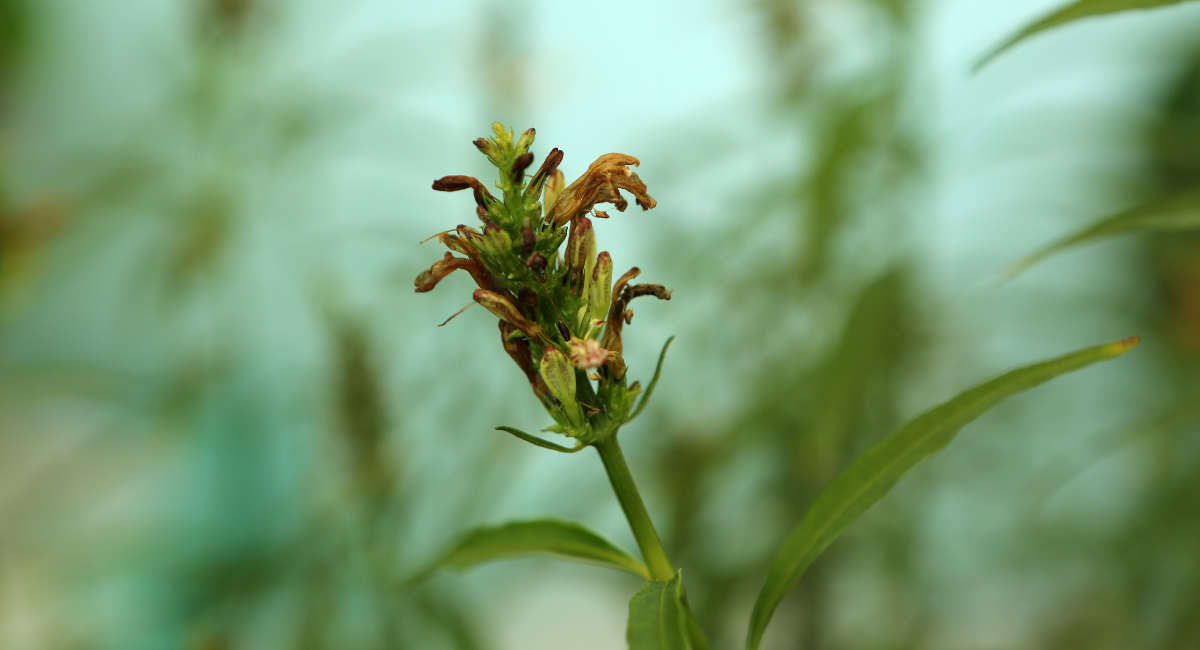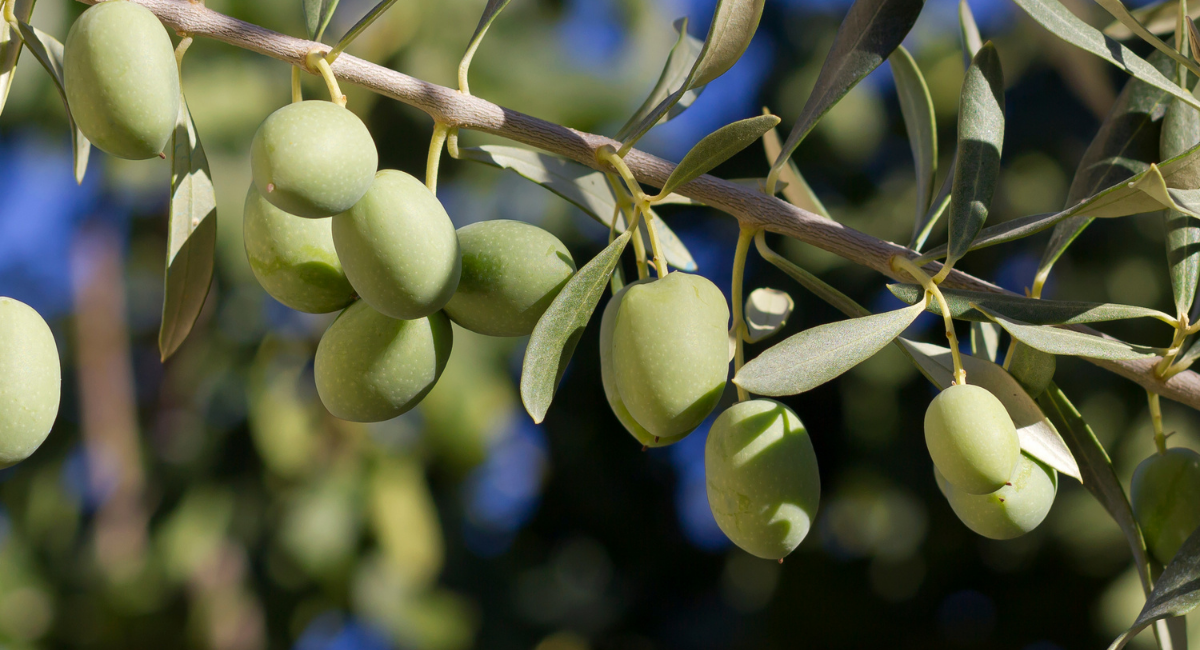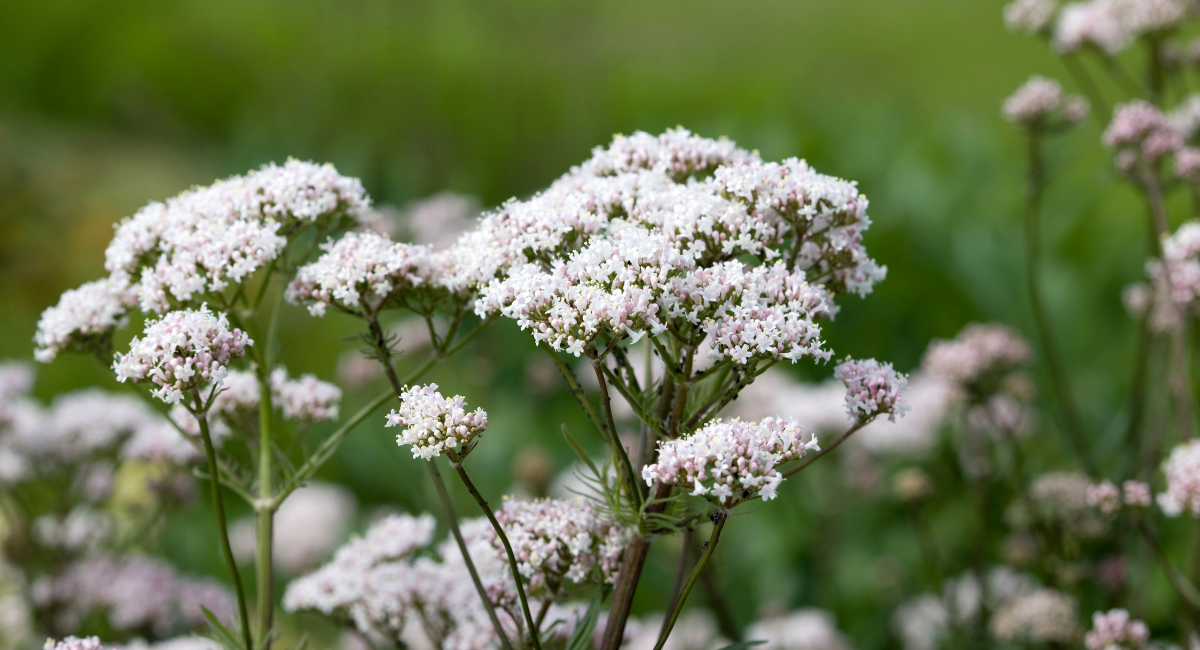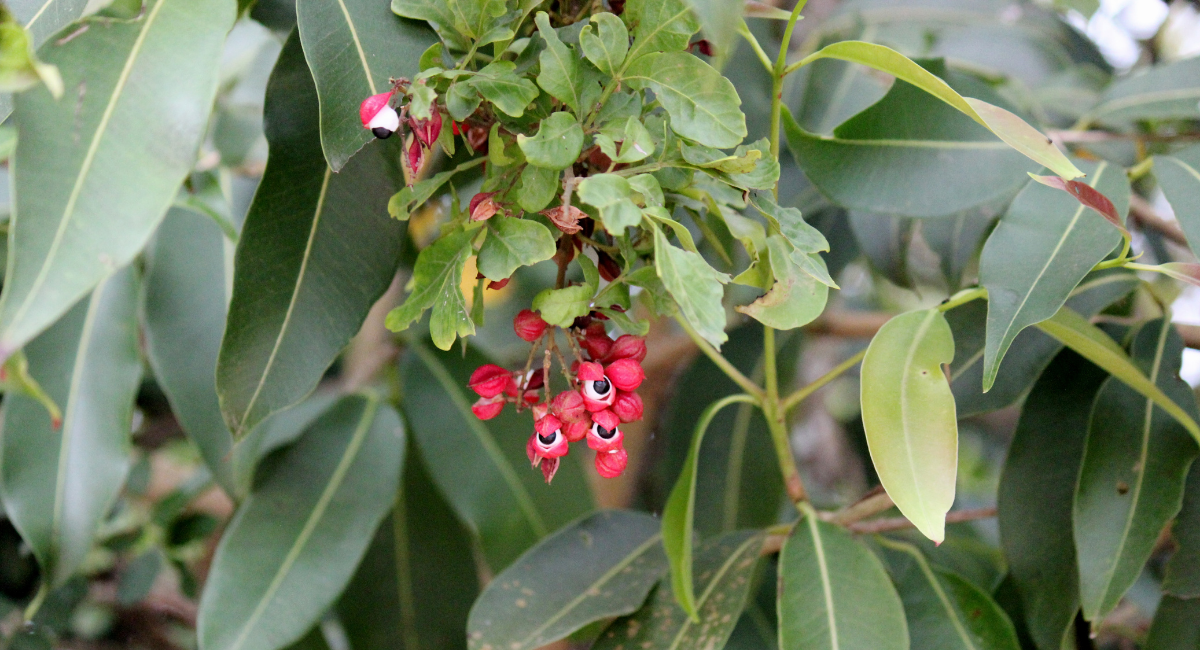
Demulcent, Anti-inflammatory, Immune-modulating, Mucus thinning, Ulcer-healing, Mild laxative
Glycosides (glycyrrhizin / glycyrrhizic acid), Phenolics, Terpenoids, Estrogens, Saponins

This Site is for Educational Use Only: The information on this page is for educational and informational purposes only and is not intended as medical advice, diagnosis, or treatment. I am not a licensed medical professional. Always consult a qualified healthcare provider before using any medicinal plants, especially if you are pregnant, nursing, taking medications, or have a medical condition.
antiallergenic, anti-arthritic, and antipyretic (that last one means it can help prevent or reduce fever, for those of us who don't have that word memorized). It's also a completely caffeine-free herbal tea, which means you can drink it at 10pm without consequence. A rare win.
There are plenty of proposed licorice root benefits worth knowing about, but my personal favorite is what it does for the entire digestive tract. Think throat to... well, the other end. Picture a thin, soothing coat along your throat, esophagus, stomach, and intestines. That's not literally how the mechanism works, but licorice root does act as a demulcent, meaning it soothes and supports the mucosal lining along that whole pathway. It also thins and loosens mucus, so drinking it as a hot tea is a double whammy: you get the throat and digestive benefits and the steam and heat helping clear congestion at the same time.
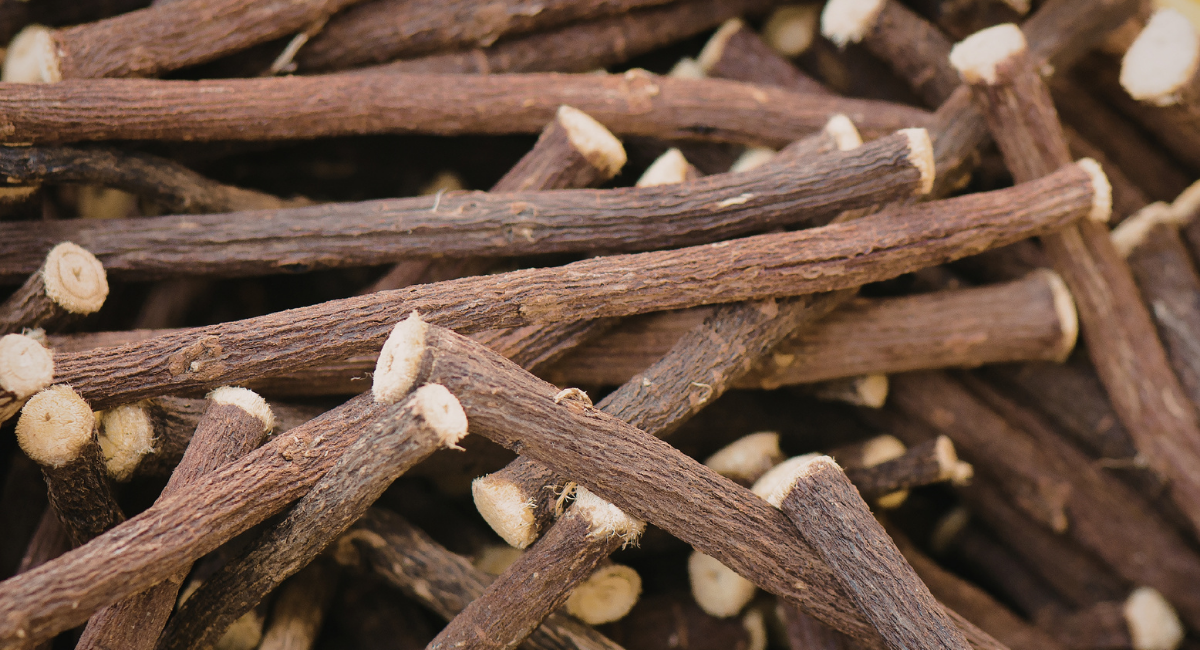
On a similar note, licorice root may also help with ulcers and mouth sores. Same idea as above. It can be chewed in its raw root form for these benefits as well, not just brewed.
A note on where licorice root comes from: it originates from Southeast Europe and Southwest Asia, but Indigenous Americans adopted and used it medicinally long before it was a wellness industry buzzword, and their applications were genuinely sophisticated. It now grows widely across California and parts of the Midwest. The plant itself can reach up to 7 feet tall, and the roots (the medicinal part) can extend up to 4 feet underground.
For a more concentrated preparation, you can make a licorice root syrup. For every pound of fresh licorice root, add 3 pints (6 cups) of water and bring to a boil. Let it reduce by at least a third. This can take a few hours, so don't rush it. Discard or compost the spent roots, and add honey to taste (which also adds its own antimicrobial and throat-coating benefits). Store in a sealed container in the fridge. You can add a spoonful to hot water for tea, or take it straight by the spoon for a cough. For a more antiseptic preparation, reduce it further for a more concentrated result.
Oh, and P.S. licorice root candy, even the old-fashioned kind, doesn't contain enough actual extract to be medicinal. Sad but true. Still a solid snack.
A few things worth knowing before you use it: Licorice root affects the body's aldosterone levels, which means regular or high-dose use can cause water retention and raise blood pressure. It shouldn't be used in excess by pregnant women, or by people with heart conditions, kidney issues, or hypertension, without consulting a doctor first. Because it affects the adrenal glands (specifically, it inhibits the enzyme that breaks down cortisol), there's also some evidence it may interact with thyroid function and medications. If that applies to you, it's worth researching before adding it to your routine. Long-term daily use isn't recommended for most people regardless. As with most things in herbal medicine: occasional and intentional beats habitual and unmonitored.
Licorice Root https://www.nccih.nih.gov/health/licorice-root
Healing Secrets of the Native Americans by Porter Shimer
Sacred Herbs by Opal Streisand
Medicinal Tea by Jennifer Browne
Energetic Herbalism by Kat Maier
Licorice abuse: time to send a warning message https://pmc.ncbi.nlm.nih.gov/articles/PMC3498851/
Disclaimer: The content on this website is provided for informational and educational purposes only and is not a substitute for professional medical advice, diagnosis, or treatment. No provider-patient relationship is created by use of this site. The author makes no representations regarding the accuracy or completeness of the information and assumes no liability for any adverse effects resulting from the use of plants or remedies described herein.

Who wrote it? What are their credentials? Who published it and why? A wellness blog and a peer-reviewed journal are not the same thing, even when they say the same words. Always click through to the original source.

Science updates over time. A 2003 study on a supplement may have been contradicted twelve times since. Always look for the publication date and whether newer research exists. "Studies show" means nothing without a timestamp.

Who funded the study? A supplement company funding research on their own supplement is a conflict of interest. It's not automatically a disqualification, but worth noting. Look for the "funding" or "disclosures" section of any study you read.

Not all research is equal. A randomized controlled trial carries more weight than a case study or an animal study. "A study found..." could mean ten people in a lab or a decade-long population study. Big difference.

If only one source is saying something, be skeptical. If ten independent sources across different institutions, different countries, different decades are saying the same thing, you're getting warmer. Consensus is earned, and studies should be peer reviewed.

The National Institutes of Health database (PubMed) is free and searchable. Examine.com aggregates supplement research without selling anything. Both are significantly more reliable than any wellness influencer, including me.