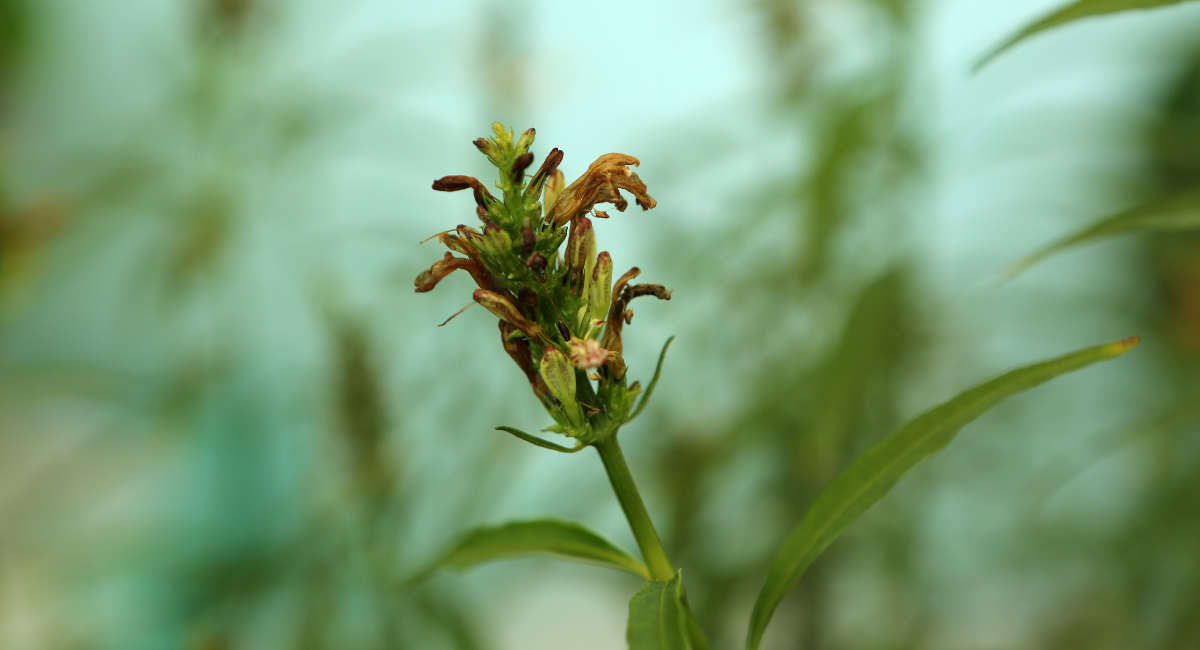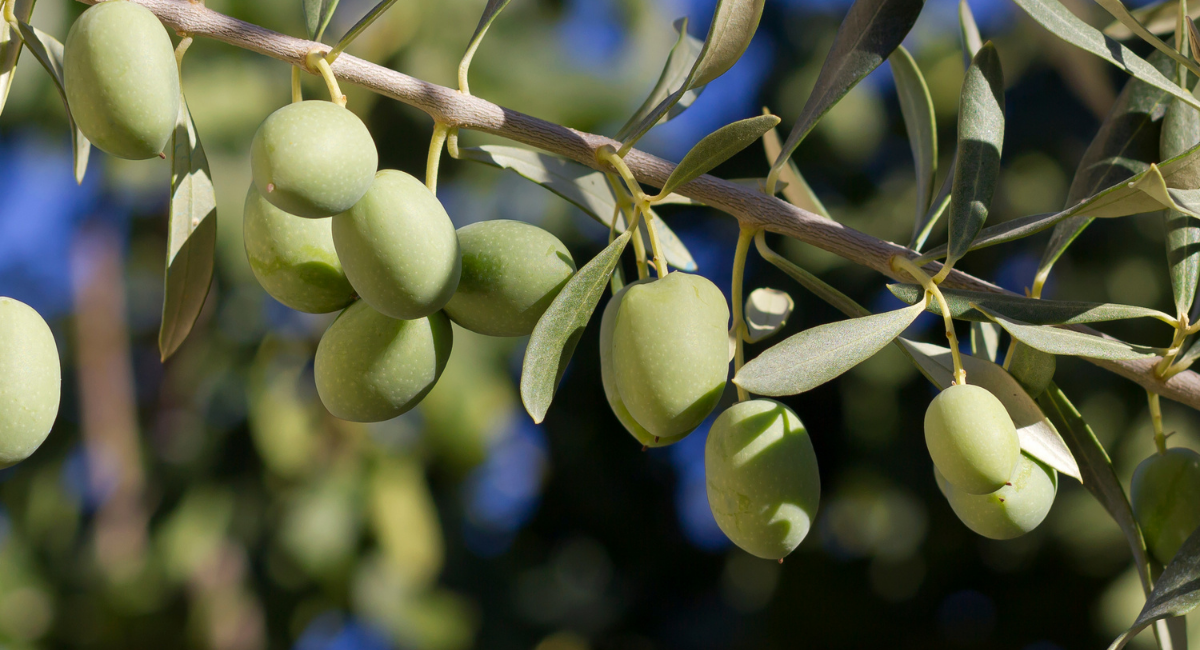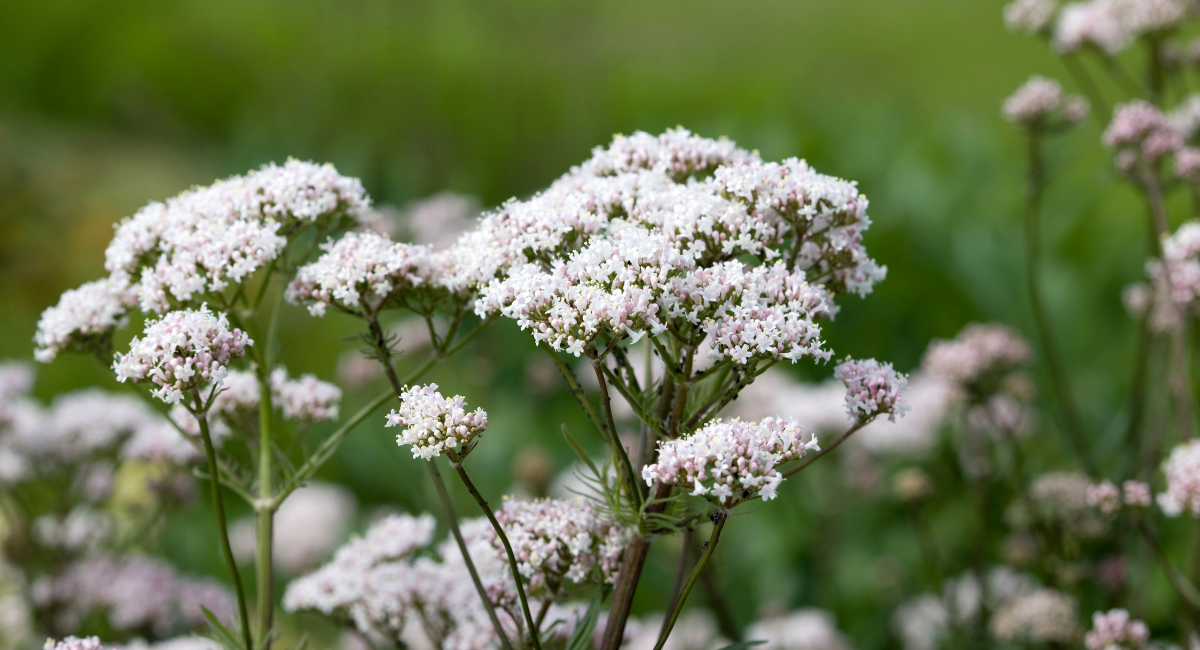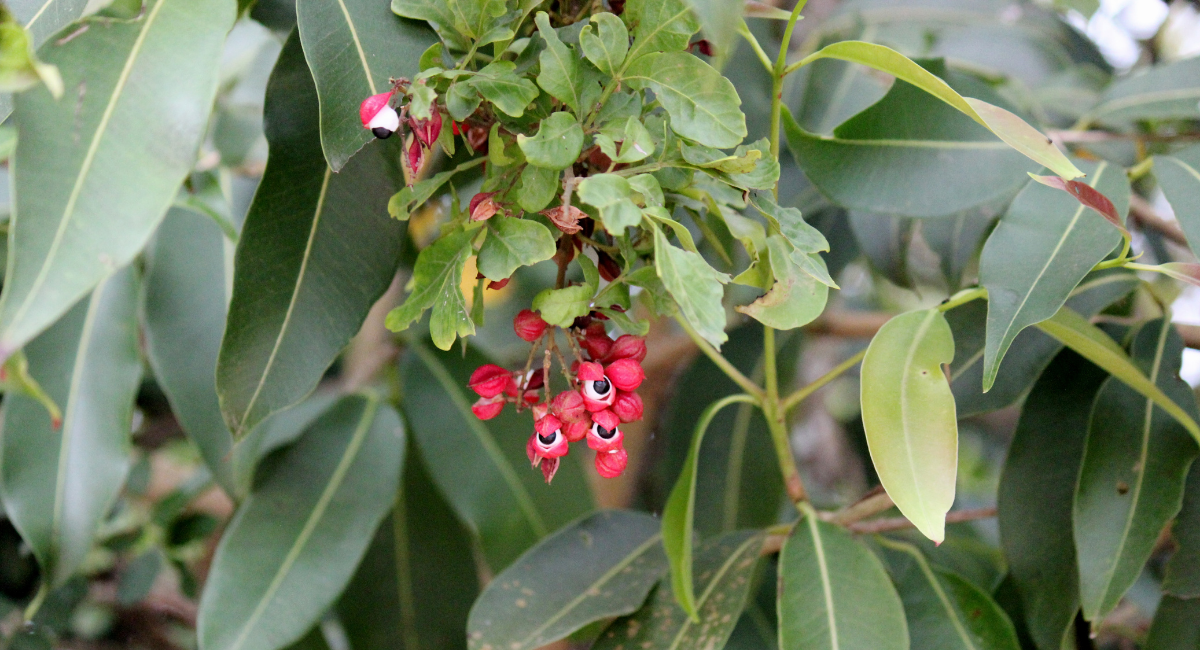
Diuretic, Anti-inflammatory, Antimicrobial, May prevent crystal formation in urine, Estrogenic activity
Phytochemicals, Polyphenols, Flavonoids (apigenin, isoquercetin), Caffeic acid, Terpenoids

This Site is for Educational Use Only: The information on this page is for educational and informational purposes only and is not intended as medical advice, diagnosis, or treatment. I am not a licensed medical professional. Always consult a qualified healthcare provider before using any medicinal plants, especially if you are pregnant, nursing, taking medications, or have a medical condition.
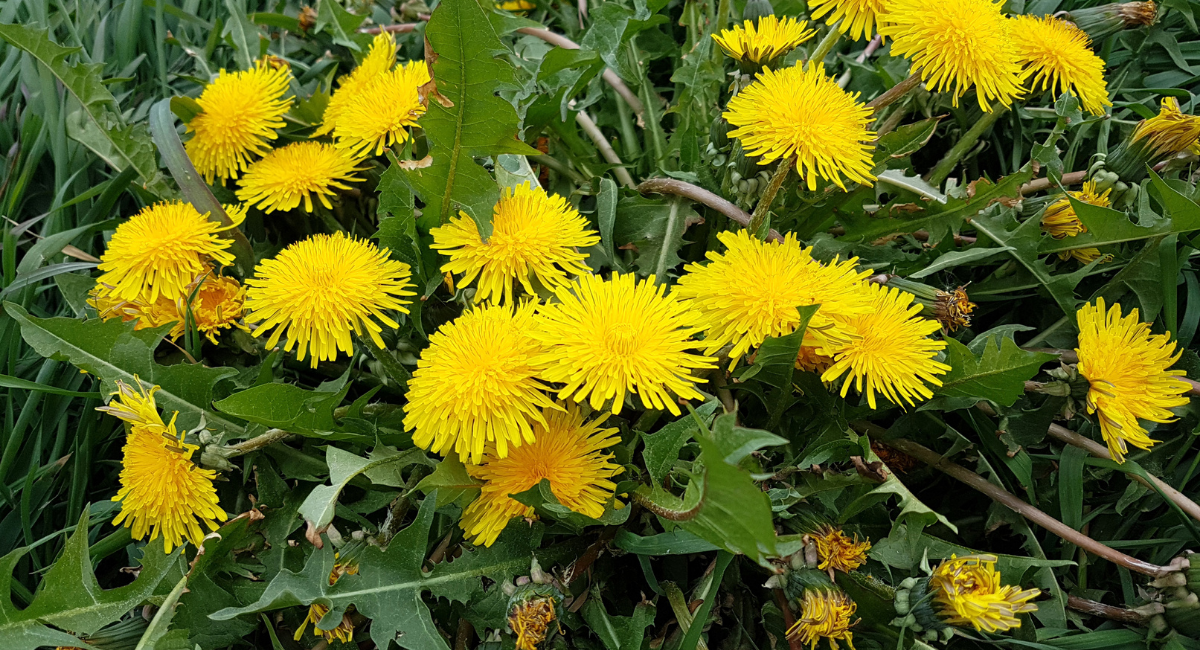
Dandelion is the so-called weed that the entire world has been trying to poison out of existence and I genuinely grieve it. We have been conditioned to spray these things on sight, which is a great reason not to just grab one off the side of the road and eat it, because chances are someone has already doused it in chemicals. Which is so sad! Because the whole plant is usable and has been for a very long time.
The Chinese were using dandelion medicinally in the 10th century. The Arabs in the 11th. The Welsh in the 13th. Indigenous Americans eventually boiled the flower and drank the tea for heart disease. This is not a weed. This is an herb with a better historical resume than most things in your medicine cabinet.
The roots can be roasted and ground as a coffee substitute, which I respect as a concept even though nothing in this world substitutes coffee in my personal opinion. The young leaves can be eaten in salads and are only mildly bitter. Remember that scene in Ice Age where Sid makes a dandelion salad? That could be us. It really could.
Medicinally, dandelion helps optimize the body's nutrient uptake, supports healthy water balance as a diuretic, helps with fluid retention, supports poor liver function, and stimulates a poor appetite. For skin problems like acne, boils, and eczema it works particularly well when combined with echinacea.
Safety note: The milky juice of the plant should be kept away from small children as ingestion can cause vomiting or diarrhea. Otherwise dandelion is considered very safe and well tolerated. Just make sure whatever you're foraging hasn't been sprayed first.
The Role of Dandelion (Taraxacum officinale) in Liver Health and Hepatoprotective Properties https://pmc.ncbi.nlm.nih.gov/articles/PMC12299503/
Dandelion's therapeutic uses https://www.ebsco.com/research-starters/complementary-and-alternative-medicine/dandelions-therapeutic-uses
Dandelion (Taraxacum Genus): A Review of Chemical Constituents and Pharmacological Effects https://pmc.ncbi.nlm.nih.gov/articles/PMC10343869/
Sacred Herbs by Opal Streisand
Medicinal Herbs by JJ Pursell
Herbal Remedies by Andrew Chevallier
Disclaimer: The content on this website is provided for informational and educational purposes only and is not a substitute for professional medical advice, diagnosis, or treatment. No provider-patient relationship is created by use of this site. The author makes no representations regarding the accuracy or completeness of the information and assumes no liability for any adverse effects resulting from the use of plants or remedies described herein.

Who wrote it? What are their credentials? Who published it and why? A wellness blog and a peer-reviewed journal are not the same thing, even when they say the same words. Always click through to the original source.

Science updates over time. A 2003 study on a supplement may have been contradicted twelve times since. Always look for the publication date and whether newer research exists. "Studies show" means nothing without a timestamp.

Who funded the study? A supplement company funding research on their own supplement is a conflict of interest. It's not automatically a disqualification, but worth noting. Look for the "funding" or "disclosures" section of any study you read.

Not all research is equal. A randomized controlled trial carries more weight than a case study or an animal study. "A study found..." could mean ten people in a lab or a decade-long population study. Big difference.
If only one source is saying something, be skeptical. If ten independent sources across different institutions, different countries, different decades are saying the same thing, you're getting warmer. Consensus is earned, and studies should be peer reviewed.

The National Institutes of Health database (PubMed) is free and searchable. Examine.com aggregates supplement research without selling anything. Both are significantly more reliable than any wellness influencer, including me.