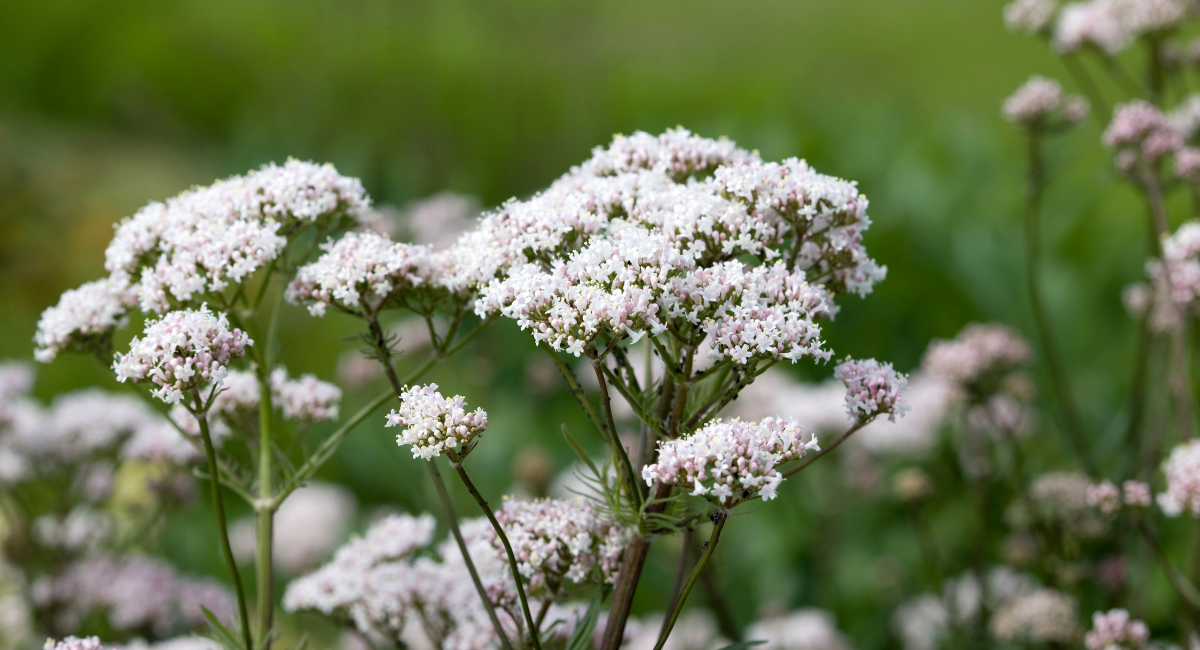
Adaptogen, Anti-inflammatory, Immune stimulant, Hypotensive, Sedative, Antioxidant, Lowers blood pressure, May increase serotonin, Whole-body tonic
Alkaloids, Terpenoids, Steroidal lactones.

This Site is for Educational Use Only: The information on this page is for educational and informational purposes only and is not intended as medical advice, diagnosis, or treatment. I am not a licensed medical professional. Always consult a qualified healthcare provider before using any medicinal plants, especially if you are pregnant, nursing, taking medications, or have a medical condition.
Ashwagandha. Everyone and their mom has heard of this one. It's in every supplement aisle, every wellness influencer's morning routine, every "reduce your cortisol" TikTok. And while the hype isn't entirely unwarranted, this is one of those plants where I have to lead with: natural does not mean risk free. Especially this one.
Ashwagandha has been part of Ayurvedic medicine for thousands of years, traditionally used as a calming adaptogen rather than a stimulant. It helps with anxiety and stress, is anti-inflammatory, and has been traditionally used for senile dementia and connective tissue strength with long term use. There are even traditional claims around erectile dysfunction and aphrodisiac properties, so if you're planning a date night dinner and want to get creative with the menu... well, now you know!
The name ashwagandha literally means "horse's smell" in Sanskrit. Because it smells strong. And horses are strong. Linguistically connecting the two.
Now. The thyroid situation. Ashwagandha naturally affects thyroid hormone levels, which means mixing it with thyroid medication like levothyroxine is genuinely something to be careful about. I take levothyroxine myself and have taken ashwagandha hours apart from it, not at the same time, and I can tell you from personal experience that the effect feels like almost too much. Too sedated, too mentally foggy. So if you're on thyroid medication, please cross reference this one carefully with your provider before adding it in.
That goes broadly actually. This is one of those supplements where I'd recommend checking it against every medication and condition you have, not just the ones listed here.
Safety note: Avoid during pregnancy. Thyroid medication interactions are real and worth taking seriously. Even if you aren't on medication, the sedative effect is stronger than people expect coming in from the wellness influencer angle, so start low and pay attention.
Ashwagandha (Withania somnifera)—Current Research on the Health-Promoting Activities: A Narrative Review https://pmc.ncbi.nlm.nih.gov/articles/PMC10147008/
Ashwagandha https://www.nccih.nih.gov/health/ashwagandha
Ashwagandha: A Review of Clinical Use and Efficacy https://www.nmi.health/ashwagandha-a-review-of-clinical-use-and-efficacy/
Medicinal Herbs by JJ Pursell
Herbal Remedies by Andrew Chevallier00.
Disclaimer: The content on this website is provided for informational and educational purposes only and is not a substitute for professional medical advice, diagnosis, or treatment. No provider-patient relationship is created by use of this site. The author makes no representations regarding the accuracy or completeness of the information and assumes no liability for any adverse effects resulting from the use of plants or remedies described herein.

Who wrote it? What are their credentials? Who published it and why? A wellness blog and a peer-reviewed journal are not the same thing, even when they say the same words. Always click through to the original source.

Science updates over time. A 2003 study on a supplement may have been contradicted twelve times since. Always look for the publication date and whether newer research exists. "Studies show" means nothing without a timestamp.

Who funded the study? A supplement company funding research on their own supplement is a conflict of interest. It's not automatically a disqualification, but worth noting. Look for the "funding" or "disclosures" section of any study you read.

Not all research is equal. A randomized controlled trial carries more weight than a case study or an animal study. "A study found..." could mean ten people in a lab or a decade-long population study. Big difference.
If only one source is saying something, be skeptical. If ten independent sources across different institutions, different countries, different decades are saying the same thing, you're getting warmer. Consensus is earned, and studies should be peer reviewed.

The National Institutes of Health database (PubMed) is free and searchable. Examine.com aggregates supplement research without selling anything. Both are significantly more reliable than any wellness influencer, including me.