Anti-inflammatory, Analgesic, Antimicrobial, Antibacterial, Anti-swelling
Terpenoids, Essential oils, Glycosides (including helenalin – toxic in large amounts)
This Site is for Educational Use Only: The information on this page is for educational and informational purposes only and is not intended as medical advice, diagnosis, or treatment. I am not a licensed medical professional. Always consult a qualified healthcare provider before using any medicinal plants, especially if you are pregnant, nursing, taking medications, or have a medical condition.
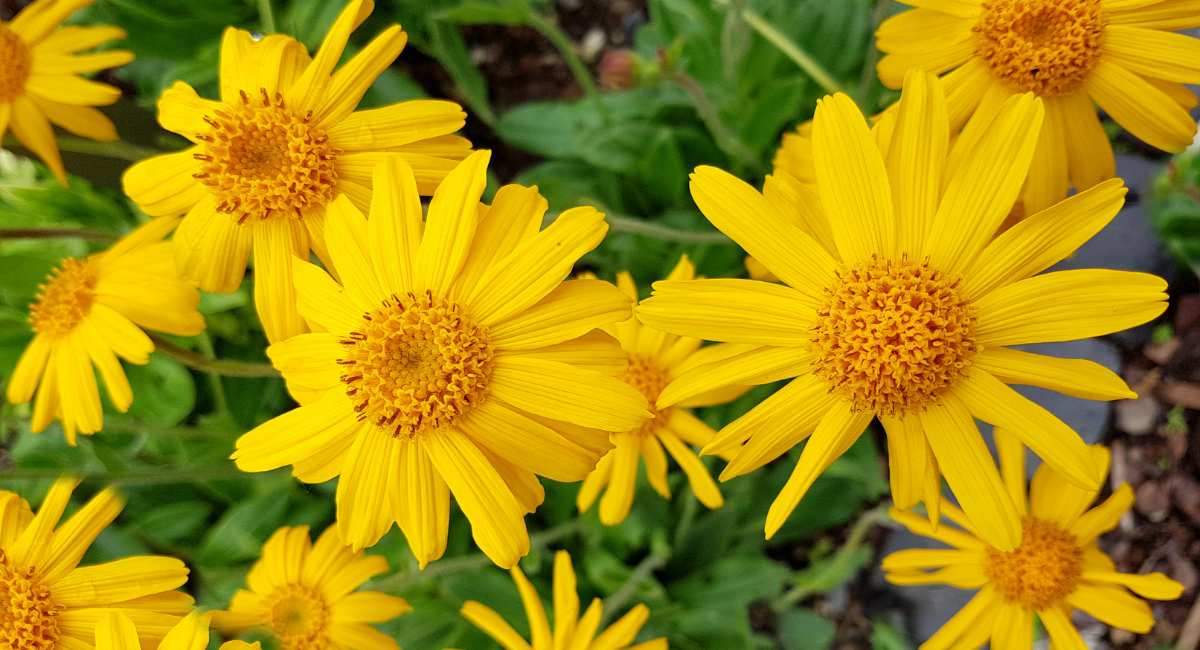
Arnica is that pretty yellow petaled plant that has absolutely no interest in being decorative and every interest in getting to work. It's analgesic, anti-inflammatory, and a wound healer, which makes it a go-to for the kind of physical damage that comes from being a person with a body that does things.
Bruises, sprains, and sports injuries are its sweet spot. If you've ever reached for an arnica gel or cream after rolling an ankle or walking into a coffee table corner at full speed, you already know what it does. It gets in there and moves things along, reducing swelling and helping the bruise cycle through faster than it would on its own. It's also genuinely valuable post dental treatment for pain and healing, which is a less commonly known application but a useful one to have in your back pocket for the next time you leave the dentist feeling like you lost a fight.
External use only on this one though.
Safety note: Do not ingest arnica. Do not apply to broken skin or open wounds. It is strictly a topical remedy for intact skin and the difference between those two things matters here. Kept in its lane it's a solid and well regarded option. Outside of its lane it causes problems.
Arnica https://www.britannica.com/plant/arnica
Arnica Montana https://www.ncbi.nlm.nih.gov/books/NBK589897/
Clinical Trials, Potential Mechanisms, and Adverse Effects of Arnica as an Adjunct Medication for Pain Management https://pmc.ncbi.nlm.nih.gov/articles/PMC8537440/
Herbal Remedies by Andrew Chevallier
Disclaimer: The content on this website is provided for informational and educational purposes only and is not a substitute for professional medical advice, diagnosis, or treatment. No provider-patient relationship is created by use of this site. The author makes no representations regarding the accuracy or completeness of the information and assumes no liability for any adverse effects resulting from the use of plants or remedies described herein.

Who wrote it? What are their credentials? Who published it and why? A wellness blog and a peer-reviewed journal are not the same thing, even when they say the same words. Always click through to the original source.

Science updates over time. A 2003 study on a supplement may have been contradicted twelve times since. Always look for the publication date and whether newer research exists. "Studies show" means nothing without a timestamp.

Who funded the study? A supplement company funding research on their own supplement is a conflict of interest. It's not automatically a disqualification, but worth noting. Look for the "funding" or "disclosures" section of any study you read.

Not all research is equal. A randomized controlled trial carries more weight than a case study or an animal study. "A study found..." could mean ten people in a lab or a decade-long population study. Big difference.
If only one source is saying something, be skeptical. If ten independent sources across different institutions, different countries, different decades are saying the same thing, you're getting warmer. Consensus is earned, and studies should be peer reviewed.

The National Institutes of Health database (PubMed) is free and searchable. Examine.com aggregates supplement research without selling anything. Both are significantly more reliable than any wellness influencer, including me.